
Traditional and Next Generation Probiotics: A Review
Department of Pharmaceutical Science and Technology, Madan Mohan Malviya University of Technology, Gorakhpur, India.
Correspondence: Smriti Pandey, smritip789@gmail.com
- Received
- Revised
- Accepted
- Published
Abstract
Human microbiota consists of millions and trillions of micro-organisms like Firmicutes (Bacillota) and Bacteroidota including Faecalibacterium prausnitziithat thrives strictly anaerobically in the colon, regulate inflammation via butyrate-production. Bifidobacterium, produce lactic acid, break down fibers, and support infant gut health via human milk oligosaccharides. Other significant phyla include Actinomycetota, Pseudomonadota, and Verrucomicrobiota. Use of antibiotics and other disease conditions alter this microbiota of gut. Hence probiotics are used to flourish and maintain the microenvironment. This review paper focuses on isolation of various species of lactic acid bacteria including the newer strains developed till now. NGPs (Next Generation Probiotics) including Akkermansia muciniphila and engineered Escherichia coli variants, target precise conditions like metabolic syndrome and inflammation via advanced genomic modifications. Various isolation and identification techniques have also been explained like PAGE (Polyacrylamide Gel Electrophoresis), DGGE (Denaturing Gradient Gel Electrophoresis) and Culturomics. Post-2024 research highlights phage-assisted isolation to enrich rare taxa and machine learning-optimized media formulations for fastidious growers. Studies from 2025 report >90% success in isolating Akkermansia muciniphila variants using mucus-mimicking media, enhancing NGP yields for metabolic disorders. These methods prioritize scalability for clinical translation. Key hurdles include maintaining anaerobiosis, strain stability, and regulatory validation. Future techniques may leverage CRISPR-based tagging and organ-on-chip models for in situ isolation. Overall, NGP isolation has shifted from empirical culturing to precision microbiome engineering, promising personalized biotherapeutics.
Introduction
Inside the gut of human beings, a whole world of micro-organisms resides. These microorganisms are mainly found in the gastrointestinal tract, especially in the large intestine, but they are also present on the skin, in the mouth, nose, and reproductive system. These microbiotas are mostly helpful and hence called as commensal. They are present since birth and develop gradually and play a crucial role in maintaining overall health. These microorganisms include bacteria, fungi, viruses, and archaea, and their total number is estimated to be nearly equal to the number of human cells in the body. Commensals are those micro-organisms that survive inside the human body by consuming nutrients from us and in return they impart numerous health benefits or in other words they are responsible for our gut health [1]. They assist in the digestion of complex food components, synthesis of essential vitamins such as vitamin K and certain B-complex vitamins, and protection against harmful pathogens by competing for nutrients and space in the intestine. In addition, the gut microbiota is closely associated with the immune system and helps regulate immune responses and intestinal barrier function [2–4].
Any imbalance in their number (increase and decrease) indicates a pathological condition. Use of painkillers, antibiotics, imbalance diet, certain disease conditions and lifestyle disturbances leads to imbalance in the number of micro-organisms. Dysbiosis, may lead to several health problems including digestive disorders, weakened immunity, metabolic diseases, and inflammatory conditions [4–7].
Human Gut Microbiota: Composition and Importance
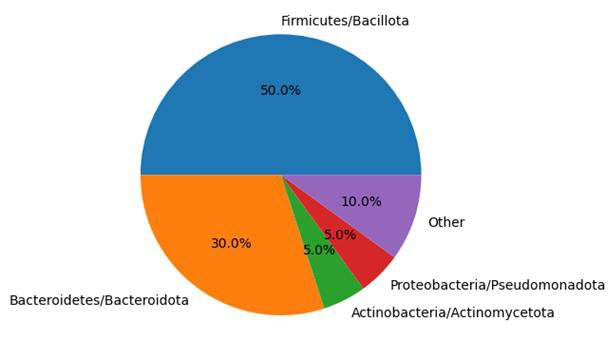
The healthy adult gut microbiome is predominantly composed of the phyla Firmicutes/Bacillota and Bacteroidetes/ Bacteroidota, which together make up over 90% of its microbial community. Within Firmicutes, Faecalibacter iumprausnitzii stands out as a key butyrate-producing anaerobe in the colon; its metabolites help reduce inflammation by inhibiting NF-κB signaling and encouraging regulatory T-cell development. Bacillus bifidus/ Bifidobacterium species, particularly abundant in infants, metabolize human milk oligosaccharides (HMOs), generate lactic and acetic acids, and contribute to strengthening the gut barrier.
Other notable phyla include Actinobacteria/Actinomycetota (which includes Bifidobacterium),Proteobacteria/Pseudomonadot a and Verrucomicrobia/Verrucomicrobiota, with Akkermansia muciniphila as a prominent member. In addition to the dominant roles of Firmicutes (Bacillota) and Bacteroidota, the adult gut microbiome also contains several other important bacterial phyla that contribute significantly to intestinal balance, metabolism, and immune regulation. One of these is Actinobacteria/Actinomycetota, a phylum that includes the well-known genus Bifidobacterium. Although Bifidobacterium species are especially abundant in infants, they remain functionally important in adults as well. These bacteria are highly efficient at fermenting dietary fibers and resistant starch, producing short-chain fatty acids (SCFAs) such as acetate. Acetate not only serves as an energy source for colon cells but also helps maintain the integrity of the intestinal epithelial barrier. Moreover, members of Actinomycetota play a protective role by inhibiting the growth of harmful pathogens through the production of antimicrobial compounds and by competing for nutrients in the gut environment. Another important but relatively less abundant phylum in the human gut is Proteobacteria/Pseudomonadota. This group includes genera such as Escherichia, Enterobacter, and Klebsiella. In a healthy individual, these bacteria are present in small numbers and help maintain microbial diversity. However, an excessive increase in Proteobacteria is often considered a marker of microbial imbalance (dysbiosis). Some species within this phylum are involved in nitrogen metabolism and help in the breakdown of certain proteins. When present in balanced amounts, they contribute to normal gut function, but when their population increases excessively, they may promote inflammation due to the presence of lipopolysaccharides (LPS) in their cell walls. Therefore, their controlled presence is essential for maintaining gut homeostasis [8].
The phylum Verrucomicrobia/Verrucomicrobiota also plays a significant role in maintaining intestinal health, particularly through the species Akkermansia muciniphila. This bacterium is known for its unique ability to degrade mucin, the main component of the mucus layer lining the intestinal wall. By breaking down mucin in a controlled manner, Akkermansia muciniphila stimulates the production of new mucus, thereby strengthening the protective barrier of the gut. This process helps prevent harmful microbes from attaching directly to the intestinal lining. In addition, studies suggest that this bacterium is associated with improved metabolic health, better glucose regulation, and reduced inflammation. Individuals with a healthy gut microbiome often show a higher abundance of Akkermansia, which indicates its beneficial role in maintaining gut balance [9,10].
Apart from these, the phylum Bacteroidetes/ Bacteroidota itself contains many beneficial species such as Bacteroides fragilis and Prevotella. These bacteria are highly involved in the breakdown of complex carbohydrates, especially plant-based fibers that cannot be digested by human enzymes. During this fermentation process, they produce short-chain fatty acids such as propionate and acetate, which provide energy to the host and support immune function. Some species within this group also help in the synthesis of essential vitamins like vitamin K and certain B-complex vitamins. Their ability to adapt to different diets makes them an important component of the gut ecosystem [1].
Overall, the healthy adult gut microbiome is not dominated by just one or two bacterial groups but is instead a highly complex and balanced community made up of multiple phyla. Each group performs a specific function—some help in digestion, others strengthen the gut barrier, and some regulate immune responses. When these microbial populations remain balanced, they work together to maintain overall gut health and support the proper functioning of the human body [11].
Traditional Probiotics: Focus on Lactic Acid Bacteria
Probiotics are live micro-organisms like bacteria, yeast, that provide health benefit when taken in adequate amount. Traditional probiotics primarily emphasize lactic acid bacteria; a group of beneficial microbes long used in fermented foods and natural health practices. It ferments sugars into lactic acid, which preserves food and offers multiple gut health benefits. Key members include Lactobacillus and Bifidobacterium [12].
These bacteria naturally occur in fermented foods like yogurt, curd, kefir, and fermented vegetables. By converting lactose and other sugars into lactic acid during fermentation, they lower food pH, inhibiting harmful microbes and enhancing digestibility. When consumed, LAB support the gut microbiome by promoting beneficial microbes and suppressing harmful ones, without fully replacing existing gut bacteria [13].
Lactobacillus acidophilus, a well-known probiotic, survives stomach acidity to reach the intestine, where it produces lactic acid and antimicrobial substances that inhibit pathogens such as harmful Escherichia coli and Salmonella strains. Streptococcus thermophilus, commonly used in yogurt, collaborates with Lactobacillus to aid digestion, especially in lactose-intolerant individuals. Traditional LAB probiotics aid digestion by breaking down complex carbohydrates, enhancing nutrient absorption, and supporting vitamin production, notably B-complex and vitamin K. They also reinforce the intestinal barrier by stimulating mucus production and improving gut epithelial cell function, which helps prevent harmful microbes from entering the bloodstream and reduces infection and inflammation risks [14].
Additionally, LAB influence the immune system by interacting with gut immune cells to regulate immune responses, promoting balance and preventing intestinal inflammation. Regular intake of fermented foods rich in LAB correlates with better digestive health, lower diarrhea risk, and improved infection resistance. Despite the diversity of strains in modern probiotic supplements, traditional probiotics still rely on LAB due to their proven safety, effectiveness, and historical use. Naturally adapted to the human digestive system, they remain safe for daily consumption and essential for maintaining a healthy gut microbiome and overall health [14,15].
LAB produce bacteriocins (ribosomally synthesized antimicrobial) that compete with pathogens. Some examples of bacteriocins are -Nisin, Pediocin, Lactacin. Bacteriocins kill bacteria by destroying the bacterial cell membrane, creating pores in the membrane, blocking protein synthesis, breaking DNA or RNA. Hence, they are considered natural antibiotics. They maintain balance of gut microbiota, prevent growth of harmful bacteria, support probiotic bacteria. Nisin is used in, cheese, yogurt, canned foods, meat products that’s the reason they are used to prevent food spoilage, increase shelf life. Can be replaced with chemical preservatives [16,17].
Mode of Action of Traditional Probiotics
They compete with pathogens for food, nutrients, receptor sites on epithelium lining of gut and hence limit their growth. They produce metabolites like lactic and acetic acid that lowers the pH and hence disrupts the pathogen’s membrane and kills it [21]. Bacteriocins and other antimicrobial peptides directly target specific harmful bacteria. They modulate the gut microbiota by producing short chain fatty acids and other metabolites that facilitate the growth of other beneficial bacteria hence maintain diversity and balance microbiota. Bacteriocins disrupt the integrity of cell membranes by forming pores in the cytoplasmic membrane of target pathogens like E. coli, Salmonella leading to leakage of intracellular contents. Some of them interfere with protein synthesis and nucleic acid replication of the bacterial cell leading them to death [19, 20].
| Species | Benefit | Risk | Key Research Area | References |
|---|---|---|---|---|
| F. prausnitzii (Faecalibacterium prausnitzii) | Anti-inflammatory, butyrate production | Low levels → IBD | IBD therapy | [8] |
| A. muciniphila (Akkermansia muciniphila) | Metabolic health, glucose control | Excess may thin mucin layer | Obesity, diabetes | [17] |
| B. longum (Bifidobacterium longum) | Gut-brain axis, digestion | Minimal risk | Psychobiotics | [15] |
| L. rhamnosus GG | Immunity, anti-diarrheal | Very safe | Probiotic therapy | [6] |
| B. thetaiotaomicron | Fiber digestion | Can promote inflammation under imbalance | Diet–microbiome interaction | [18] |
| E. coli (commensal) | Vitamin K production, immunity | Overgrowth → dysbiosis | Immune development | [6] |
| Roseburia spp. | Improves insulin sensitivity (SCFA producer) | Reduced levels in diabetes | Metabolic disease | [18] |
| New Genus / Species Name | Previous Classification (Old Name) | Key Health Benefits (Evidence-Based) | References |
|---|---|---|---|
| Lacticaseibacillus paracasei | Lactobacillus paracasei | Reduces inflammation, improves gut barrier integrity, anti-obesity and anti-diabetic effects | [17] |
| Lactiplantibacillus plantarum | Lactobacillus plantarum | Lowers cholesterol, modulates immune response, anti-depressive activity, reduces oxidative stress | [15,17] |
| Lacticaseibacillus rhamnosus | Lactobacillus rhamnosus | Improves gut health, reduces anxiety, anti-cancer potential | [17] |
| Ligilactobacillus salivarius | Lactobacillus salivarius | Antimicrobial activity, oral health benefits, immune modulation | [17] |
| Limosilactobacillus reuteri | Lactobacillus reuteri | Produces reuterin, improves insulin sensitivity, anti-obesity effects | [15,17] |
| Lacticaseibacillus casei | Lactobacillus casei | Anti-cancer effects, immune regulation, improves lipid profile | [17] |
| Limosilactobacillus fermentum | Lactobacillus fermentum | Antioxidant effects, supports liver health, improves glucose metabolism | [15,17] |
| Lactiplantibacillus pentosus | Lactobacillus pentosus | Anti-inflammatory, enhances gut microbial stability, stress reduction | [17] |
| Latilactobacillus sakei | Lactobacillus sakei | Anti-obesity effects, regulates inflammatory pathways, metabolic health | [17,18] |
| Loigolactobacillus coryniformis | Lactobacillus coryniformis | Immunomodulatory activity, promotes NK cell function | [3] |
Next-Generation Probiotics (NGPs): Precision Therapeutics
These are beneficial microorganisms identified using microbiome sequencing and biotechnology, which are developed to provide targeted therapeutic effects. These micro-organisms are developed as targeted biotherapeutics, that can treat specific diseases or conditions rather than generalised supporting gut health. One of the most important features that makes them “next-generation” is their origin. NGPs are often newly identified gut microbes such as Akkermansia muciniphila, Faecalibacterium prausnitzii, Roseburia spp., and Bacteroides spp.
![Mode of action of traditional probiotics [19,20].](https://irrespub.com/biolsciences/index.php/1/article/download/336/version/336/176/1544/fig2.jpg)
These organisms are not just present in the gut— they are strongly associated with good metabolic health, low inflammation, and a balanced immune response. Many of these microbes produce short-chain fatty acids (SCFAs), especially butyrate, which plays a crucial role in maintaining the intestinal lining and reducing inflammation. For example, Faecalibacterium prausnitziiis considered one of the most important anti-inflammatory bacteria in the human gut. Similarly, Akkermansia muciniphila helps strengthen the gut barrier by maintaining the mucus layer of the intestine. Because of these functions, scientists are exploring NGPs as potential treatments for diseases such as Type 2 Diabetes, Obesity, non Alcoholic Fatty Liver Disease, and Inflammatory Bowel Disease [8,9]. NGPs are also different because they are being developed using modern biotechnology. Unlike traditional probiotics, many next-generation strains are carefully tested in clinical trials and sometimes modified using synthetic biology. Scientists can improve their stability, safety, and effectiveness or even design them to deliver specific therapeutic molecules inside the body. This means that NGPs are not just dietary supplements—they are moving toward becoming microbe-based medicines (also called live biotherapeutic products) [15,22].
| Feature | Traditional Probiotics | Next-Generation Probiotics (NGPs) | References |
|---|---|---|---|
| Examples | Lactobacillus spp., Bifidobacterium spp. | Akkermansia, Faecalibacterium, Bacteroides, Roseburia spp. | [23, 24] |
| Origin | Commonly isolated from fermented foods and dairy products | Primarily derived from the human gut microbiota | [14, 23] |
| Main Use | General gut health, digestion, and mild immune support | Targeted therapeutic applications (metabolic, inflammatory, disease-specific conditions) | [21, 23] |
| Engineering | Rarely genetically modified | Frequently engineered using synthetic biology or genetic modification approaches | [25, 26] |
Isolation Techniques for Next-Generation Probiotics (NGPs)
Isolation techniques for next-generation probiotics (NGPs) have evolved significantly in recent years, particularly with the growing recognition that many beneficial gut microorganisms are fastidious, slow-growing, or unculturable under conventional laboratory conditions. As a result, modern isolation strategies now combine classical microbiological approaches with advanced molecular, bioinformatic, and cultivation technologies. These integrated methods are essential for recovering clinically relevant commensal bacteria such as Akkermansia muciniphila, Faecalibacterium prausnitzii, Roseburia spp., and Bacteroides spp., which are considered key candidates for next-generation probiotic development [29]. Advanced approaches for isolation are-PAGE (Polyacrylamide Gel Electrophoresis) and SDS-PAGE: Used for strain-level protein profiling and differentiation of closely related LAB isolates. DGGE (Denaturing Gradient Gel Electrophoresis): PCR-based community fingerprinting of 16S rRNA gene amplicons to assess diversity in complex samples [30].
| Next-Generation Probiotic (NGP) | Type/Function | Main Health Benefits | Diseases/Conditions Studied | References |
|---|---|---|---|---|
| Akkermansia muciniphila | Mucin-degrading bacterium that enhances gut barrier integrity | Improves intestinal barrier function, reduces inflammation, supports metabolic homeostasis | Obesity, Type 2 Diabetes, Non-Alcoholic Fatty Liver Disease (NAFLD) | [27] |
| Faecalibacterium prausnitzii | Butyrate-producing anti-inflammatory bacterium | Reduces intestinal inflammation, promotes gut health | Inflammatory Bowel Disease (IBD), Ulcerative Colitis | [22] |
| Roseburia spp. | Short-chain fatty acid (SCFA; butyrate) producer | Enhances digestion, maintains gut barrier, reduces inflammation | Obesity, Type 2 Diabetes | [28] |
| Eubacterium hallii | Butyrate-producing metabolic bacterium | Improves insulin sensitivity, regulates metabolic balance | Type 2 Diabetes, Metabolic Syndrome | [23] |
| Bacteroides fragilis | Immune-modulating bacterium | Regulates host immune responses, reduces gut inflammation | IBD, Immune-related disorders | [12] |
| Clostridium butyricum | Butyrate-producing bacterium supporting gut microbiota balance | Enhances gut health, strengthens intestinal barrier | Gut infections, Digestive disorders | [12] |
| Parabacteroides distasonis | Metabolism-regulating bacterium | Modulates body weight and lipid metabolism | Obesity, Metabolic disorders | [27] |
| Christensenella minuta | Microbiota associated with lean phenotype | Regulates body weight and metabolic processes | Obesity, Metabolic Syndrome | [25] |
Culturomics a high-throughput culture-based approach for isolation of probiotics. This technique has been revolutionized with the help of MALDI-TOF mass spectrometry and 16S rRNA gene sequencing. It complements metagenomics. It uses multiple customized culture media to mimic natural environments, applies aerobic and strict anaerobic conditions and incorporates long incubation periods for slow-growing organisms.
Culture-independent metagenomics (shotgun or 16S rRNA sequencing) identifies unculturable taxa. For fastidious NGPs, specialized techniques are essential. Mucus-mimicking media (e.g., brain-heart infusion or basal medium supplemented with 0.25–0.5% porcine/human gastric mucin) enable high-yield isolation of A. muciniphila, achieving robust growth under strict anaerobiosis [16, 24].
Post-2024 innovations include Phage-assisted isolation: Bacteriophages selectively lyse dominant taxa, enriching rare commensals for downstream culturomics. Machine learning-optimized media formulations: Algorithms (e.g., multivariate adaptive regression splines or active learning) predict nutrient combinations that maximize biomass of fastidious growers while minimizing contaminants [31].
Future Challenges Faced by Next-Generation Probiotics (NGPs)
Next-generation probiotics (NGPs) represent a promising advancement in microbiome-based therapeutics; however, several scientific, technological, and regulatory challenges must be addressed before their widespread clinical use [12, 17]. Many important NGP candidates, such as Akkermansia muciniphila and Faecalibacterium prausnitzii, are extremely sensitive to oxygen and difficult to culture under standard laboratory conditions. This makes large-scale production, preservation, and commercialization technically challenging. Maintaining viability during processing, storage, and delivery to the human gut remains one of the major obstacles. Another key challenge is safety evaluation. Unlike traditional probiotics that have a long history of safe use, many NGPs are newly discovered microorganisms from the human microbiome. Their long-term effects on human health are still not fully understood. Some species, particularly those belonging to the genus Bacteroides spp., may show beneficial effects in certain conditions but could also become harmful in immunocompromised individuals. Therefore, detailed toxicological studies, genome sequencing, and clinical trials are necessary before they can be approved for medical use [17, 24, 32].
Author Contributions
Dr. Smriti Pandey: Conceptualization, literature search, manuscript design, drafting of the manuscript, critical revision, supervision, and final approval of the manuscript. Nikki Byahut: Literature collection, data compilation, and final approval of the manuscript. All authors have read and approved the final version of the manuscript and agree to be accountable for all aspects of the work.
Acknowledgements
The authors would like to express their sincere gratitude to the Department of Pharmaceutical Science and Technology, Madan Mohan Malaviya University of Technology, Gorakhpur, Uttar Pradesh, India, for providing academic support and access to scientific resources during the preparation of this review article. I thank my husband Mr. Saurabh Upadhyay for technical support and my father for blessings. We are also thankful for the reviewers and editors for their valuable comments and suggestions, which helped us to improve the quality of the manuscript.
Conflict of Interest
The authors declare that they have no conflict of interest regarding the publication of this paper.
Funding
The authors received no specific funding for this work from any funding agency in the public, commercial, or not-for-profit sectors.
Data Availability
No new data were generated or analysed in this study. As this article is a review based on previously published literature, data sharing is not applicable. All information discussed in this review is available in the cited references.
Ethics Approval
Not Applicable
References
- Immune-microbiota interactions in health and disease. Clin Immunol. 2015;159(2):122-127.Crossref
- The Human Microbiome Project. Nature. 2007;449(7164):804-810.Crossref
- Mechanisms of action of probiotics. Adv Nutr. 2019;10(Suppl 1):S49-S66.Crossref
- Gastrointestinal problem among Indian adults: evidence from longitudinal aging study in India 2017-18. Front Public Health. 2022;10:911354.Crossref
- The gut microbiota shapes intestinal immune responses during health and disease. Nat Rev Immunol. 2009;9(5):313-323.Crossref
- Antibiotics and the developing infant gut microbiota and resistome. Curr Opin Microbiol. 2015;27:51-56.Crossref
- Action and function of Faecalibacterium prausnitziiin health and disease. Best Pract Res Clin Gastroenterol. 2017;31(6):643-648.Crossref
- Faecalibacterium prausnitziiand human intestinal health. Curr Opin Microbiol. 2013;16(3):255-261.Crossref
- Akkermansia muciniphila: a microbial guardian against oxidative stress-gut microbiota crosstalk and clinical prospects. J Transl Med. 2025;23.Crossref
- NAFLD, Helicobacter species and the intestinal microbiome. Best Pract Res Clin Gastroenterol. 2017;31(6):657-668.Crossref
- Effect of the microbiome on intestinal innate immune development in early life and the potential strategy of early intervention. Front Immunol. 2022;13:936300.Crossref
- Emerging probiotics: future therapeutics for human gut health. FEMS Microbiol Ecol. 2025;101(5):fiaf077.Crossref
- Research status and development trends of probiotics in clinical applications. Front Nutr. 2025;12:1650883.Crossref
- High-potency multi-strain probiotic formulations for safety and improvement of gastrointestinal function and intestinal health: a randomized controlled clinical trial. Front Nutr. 2025;12:1696243.Crossref
- Next-generation probiotics: the upcoming biotherapeutics. Mol Biol Rep. 2024;51.Crossref
- Isolation and characterization of lactic acid bacteria from Heteropneustes fossilis for probiotic applications in aquaculture. Sci Rep. 2026;16:35791.Crossref
- Next-generation probiotics and chronic diseases: a review of current research and future directions. J Agric Food Chem. 2024;72:27679-27700.Crossref
- Temporal microbiota changes of high-protein diet intake in a rat model. Anaerobe. 2017;47:218-225.Crossref
- Expert consensus document: the International Scientific Association for Probiotics and Prebiotics consensus statement on the scope and appropriate use of the term probiotic. Nat Rev Gastroenterol Hepatol. 2014;11(8):506-514.Crossref
- Bifidobacteria and their role as members of the human gut microbiota. Front Microbiol. 2016;7:925.Crossref
- The International Scientific Association for Probiotics and Prebiotics (ISAPP) consensus statement on the definition and scope of synbiotics. Nat Rev Gastroenterol Hepatol. 2020;17(11):687-701.Crossref
- Next-generation probiotics and engineered BEVs for precision therapeutics in osteoporosis. Front Nutr. 2025;12:1581971.Crossref
- Actinobacteria: a relevant minority for the maintenance of gut homeostasis. Dig Liver Dis. 2018;50(5):421-428.Crossref
- Genetically engineered microorganisms and their impact on human health. Int J Clin Pract. 2024;2024:6638269.Crossref
- Isolation and identification of lactic acid bacteria from Tarag in Eastern Inner Mongolia of China by 16S rRNA sequences and DGGE analysis. Microbiol Res. 2012;167(2):110-115.Crossref
- Next generation probiotics: engineering live biotherapeutics. Trends Biotechnol. 2024;42(2):150-162.Crossref
- Intestinal microbiome and permeability in patients with autoimmune hepatitis. Best Pract Res Clin Gastroenterol. 2017;31(6):669-673.Crossref
- Classification of metagenomic sequences: methods and challenges. Brief Bioinform. 2012;13(6):669-681.Crossref
- Chemical characterization of Cassia fistula polysaccharide (CFP) and its potential application as a prebiotic in synbiotic preparation. RSC Adv. 2021;11(22):13329-13340.Crossref
- The power of DNA-based methods in probiotic authentication. Front Microbiol. 2023;14:1158440.Crossref
- Artificial intelligence for microbial isolation and cultivation: progress and challenges. Microorganisms. 2026;14(3):654.Crossref
- A current overview of next-generation probiotics and their prospects in health and disease management. Prog Microbes Mol Biol. 2024;7(1):a0000457.Crossref
References
References
- Immune-microbiota interactions in health and disease. Clin Immunol. 2015;159(2):122-127.Crossref
- The Human Microbiome Project. Nature. 2007;449(7164):804-810.Crossref
- Mechanisms of action of probiotics. Adv Nutr. 2019;10(Suppl 1):S49-S66.Crossref
- Gastrointestinal problem among Indian adults: evidence from longitudinal aging study in India 2017-18. Front Public Health. 2022;10:911354.Crossref
- The gut microbiota shapes intestinal immune responses during health and disease. Nat Rev Immunol. 2009;9(5):313-323.Crossref
- Antibiotics and the developing infant gut microbiota and resistome. Curr Opin Microbiol. 2015;27:51-56.Crossref
- Action and function of Faecalibacterium prausnitziiin health and disease. Best Pract Res Clin Gastroenterol. 2017;31(6):643-648.Crossref
- Faecalibacterium prausnitziiand human intestinal health. Curr Opin Microbiol. 2013;16(3):255-261.Crossref
- Akkermansia muciniphila: a microbial guardian against oxidative stress-gut microbiota crosstalk and clinical prospects. J Transl Med. 2025;23.Crossref
- NAFLD, Helicobacter species and the intestinal microbiome. Best Pract Res Clin Gastroenterol. 2017;31(6):657-668.Crossref
- Effect of the microbiome on intestinal innate immune development in early life and the potential strategy of early intervention. Front Immunol. 2022;13:936300.Crossref
- Emerging probiotics: future therapeutics for human gut health. FEMS Microbiol Ecol. 2025;101(5):fiaf077.Crossref
- Research status and development trends of probiotics in clinical applications. Front Nutr. 2025;12:1650883.Crossref
- High-potency multi-strain probiotic formulations for safety and improvement of gastrointestinal function and intestinal health: a randomized controlled clinical trial. Front Nutr. 2025;12:1696243.Crossref
- Next-generation probiotics: the upcoming biotherapeutics. Mol Biol Rep. 2024;51.Crossref
- Isolation and characterization of lactic acid bacteria from Heteropneustes fossilis for probiotic applications in aquaculture. Sci Rep. 2026;16:35791.Crossref
- Next-generation probiotics and chronic diseases: a review of current research and future directions. J Agric Food Chem. 2024;72:27679-27700.Crossref
- Temporal microbiota changes of high-protein diet intake in a rat model. Anaerobe. 2017;47:218-225.Crossref
- Expert consensus document: the International Scientific Association for Probiotics and Prebiotics consensus statement on the scope and appropriate use of the term probiotic. Nat Rev Gastroenterol Hepatol. 2014;11(8):506-514.Crossref
- Bifidobacteria and their role as members of the human gut microbiota. Front Microbiol. 2016;7:925.Crossref
- The International Scientific Association for Probiotics and Prebiotics (ISAPP) consensus statement on the definition and scope of synbiotics. Nat Rev Gastroenterol Hepatol. 2020;17(11):687-701.Crossref
- Next-generation probiotics and engineered BEVs for precision therapeutics in osteoporosis. Front Nutr. 2025;12:1581971.Crossref
- Actinobacteria: a relevant minority for the maintenance of gut homeostasis. Dig Liver Dis. 2018;50(5):421-428.Crossref
- Genetically engineered microorganisms and their impact on human health. Int J Clin Pract. 2024;2024:6638269.Crossref
- Isolation and identification of lactic acid bacteria from Tarag in Eastern Inner Mongolia of China by 16S rRNA sequences and DGGE analysis. Microbiol Res. 2012;167(2):110-115.Crossref
- Next generation probiotics: engineering live biotherapeutics. Trends Biotechnol. 2024;42(2):150-162.Crossref
- Intestinal microbiome and permeability in patients with autoimmune hepatitis. Best Pract Res Clin Gastroenterol. 2017;31(6):669-673.Crossref
- Classification of metagenomic sequences: methods and challenges. Brief Bioinform. 2012;13(6):669-681.Crossref
- Chemical characterization of Cassia fistula polysaccharide (CFP) and its potential application as a prebiotic in synbiotic preparation. RSC Adv. 2021;11(22):13329-13340.Crossref
- The power of DNA-based methods in probiotic authentication. Front Microbiol. 2023;14:1158440.Crossref
- Artificial intelligence for microbial isolation and cultivation: progress and challenges. Microorganisms. 2026;14(3):654.Crossref
- A current overview of next-generation probiotics and their prospects in health and disease management. Prog Microbes Mol Biol. 2024;7(1):a0000457.Crossref
Downloads

This work is licensed under a Creative Commons Attribution 4.0 International License.
Copyright (c) 2026 Smriti Pandey, Nikki Byahut
License terms
-
Attribution — You must give appropriate credit, provide a link to the license, and indicate if changes were made. You may do so in any reasonable manner, but not in any way that suggests the licensor endorses you or your use.
- No additional restrictions — You may not apply legal terms or technological measures that legally restrict others from doing anything the license permits.