
Kaempferia galanga: A Multifaceted Medicinal Plant in Traditional and Modern Contexts
Department of Pharmaceutical Science & Technology, Madan Mohan Malaviya University of Technology, Gorakhpur, India
Correspondence: Preeti, pph@mmmut.ac.in
- Received
- Revised
- Accepted
- Published
Abstract
Kaempferia galanga L., commonly referred to as aromatic ginger or sand ginger, is a rhizomatous herb that is a member of the Zingiberaceae family and has been highly regarded in traditional medicine throughout Asia. Historically, it has been utilized to alleviate various ailments, including headaches, colds, asthma, rheumatism, and gastrointestinal issues. Recent phytochemical research has uncovered that Kaempferia galanga is rich in bioactive compounds such as ethyl cinnamate, ethyl p-methoxycinnamate, kaempferol, and cineole, which play a significant role in its diverse pharmacological effects. Contemporary pharmacological research has confirmed its properties as an antioxidant, anti-inflammatory, antimicrobial, anticancer, analgesic, and neuroprotective agent, validating many of its ethnomedicinal applications. Moreover, emerging research suggests its potential in cosmeceutical and nutraceutical formulations. This review highlights the ethnobotanical significance, phytochemical diversity, and therapeutic potential of Kaempferia galanga, emphasizing the need for further research to elucidate its mechanisms of action, safety profile, and clinical efficacy for modern drug development.
Introduction
The prevalence of chronic diseases associated with lifestyle choices is increasing at an alarming rate as the global population ages. Worldwide, human dietary habits represent the most crucial modifiable element in managing these chronic conditions. Studies show that maintaining traditional healthy eating practices and adopting a therapeutic plant-based diet can lower the risk of these diseases while boosting immunity (1). As a result, traditional medicinal botanical remedies, especially those used as food in traditional practices, are becoming more popular and in demand (2).
There are over 25,791 plant species recognized for their medicinal properties, of which 5,411 are included in the Red List of Threatened Species by the International Union for Conservation of Nature (IUCN) due to overexploitation (3). Many herbal remedies are being developed based on traditional knowledge. In anticipation of future pandemics, like the recent COVID-19 pandemic that started in early 2020, researchers have begun exploring the potential of developing new therapies from medicinal plants and their active compounds (4). It has been observed that adding botanical medicines with anti-inflammatory properties to anti-inflammatory diets can help reduce the worsening of COVID-19 symptoms associated with chronic conditions such as diabetes and obesity (5). Alongside widely known medicinal plant species, other botanical remedies traditionally used by local ethnic communities also hold significant importance in folk medicine. As global human mobility increases, urban populations are beginning to recognized these lesser-known species. The Zingiberaceae family is one such group, including many medicinal plants valued for their ethnomedicinal importance not only in India but also in various regions worldwide (6).
These plants have been employed in traditional medicine and are essential to cultural heritage. The most prevalent members of this family consist of Zingiber, Curcuma, Alpinia, and Kaempferia, among others (Figure 1) (7).
Phytochemistry
Major chemical constituents
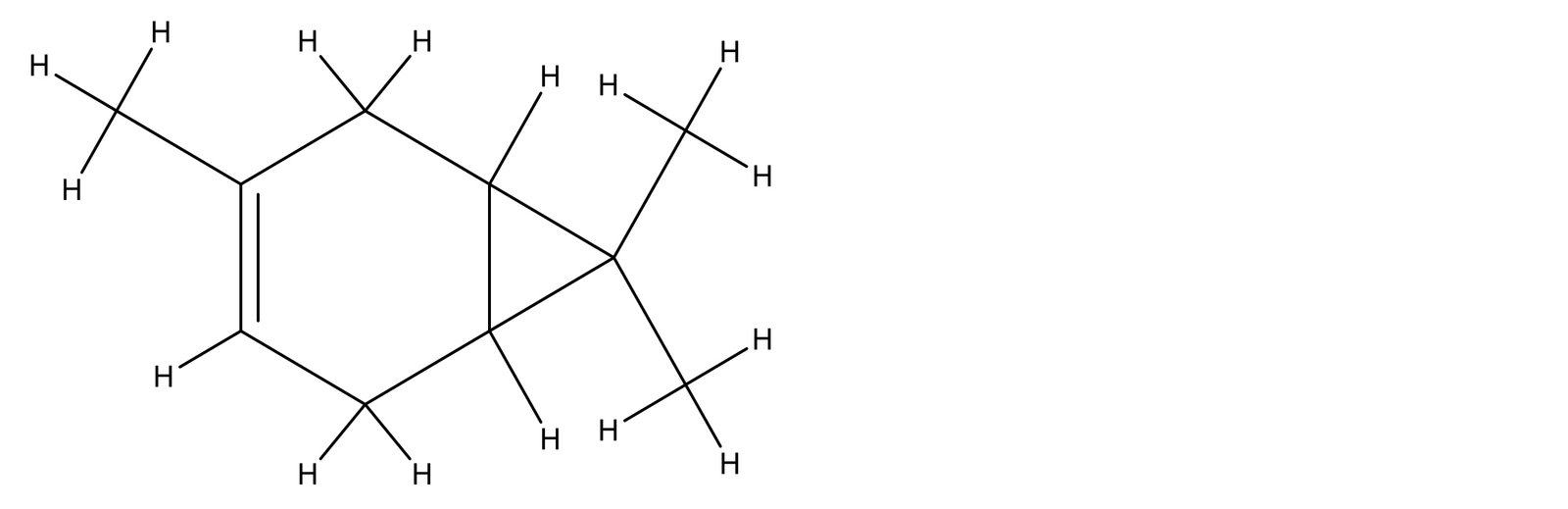
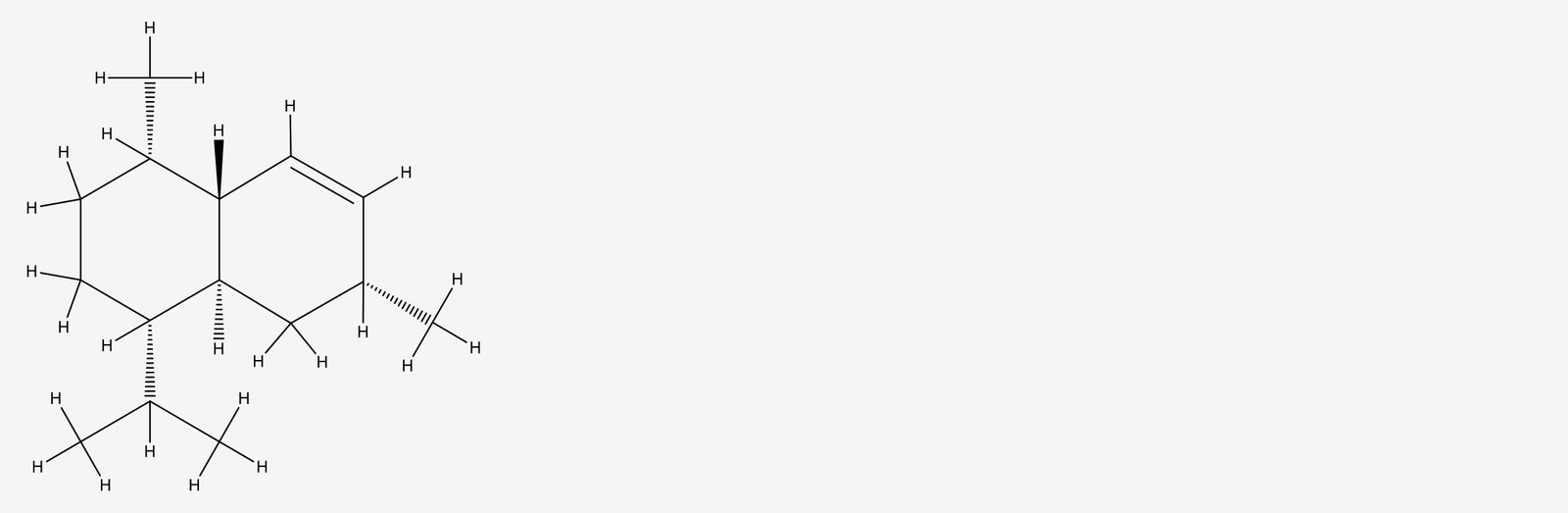
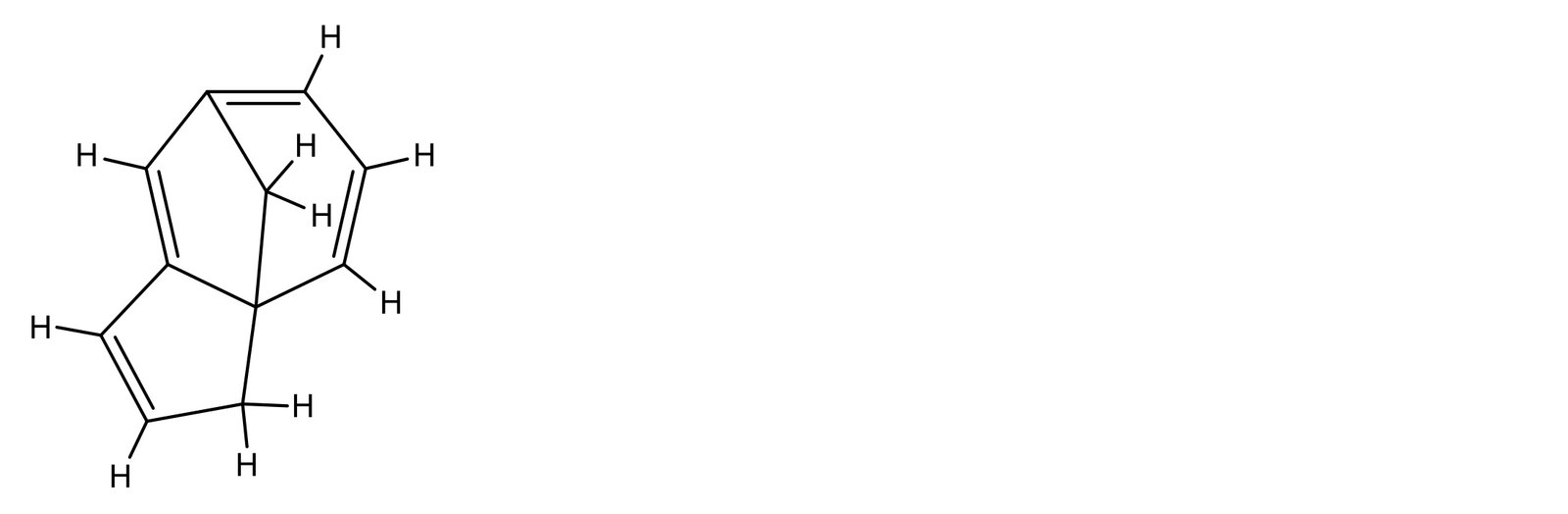
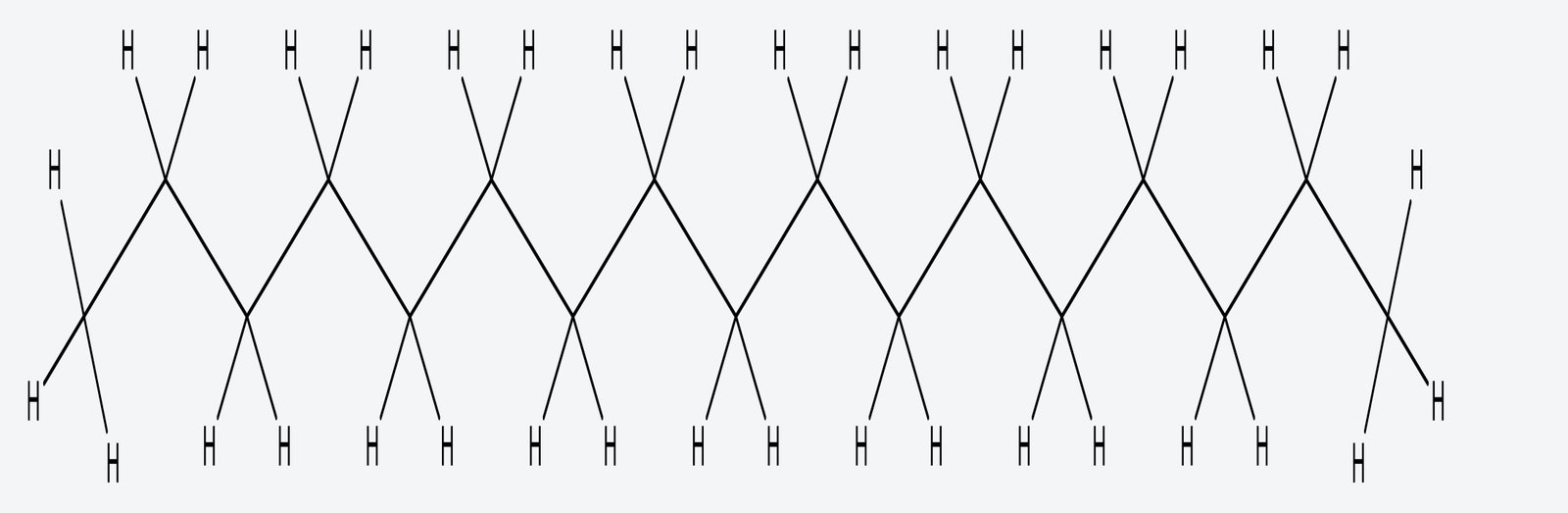
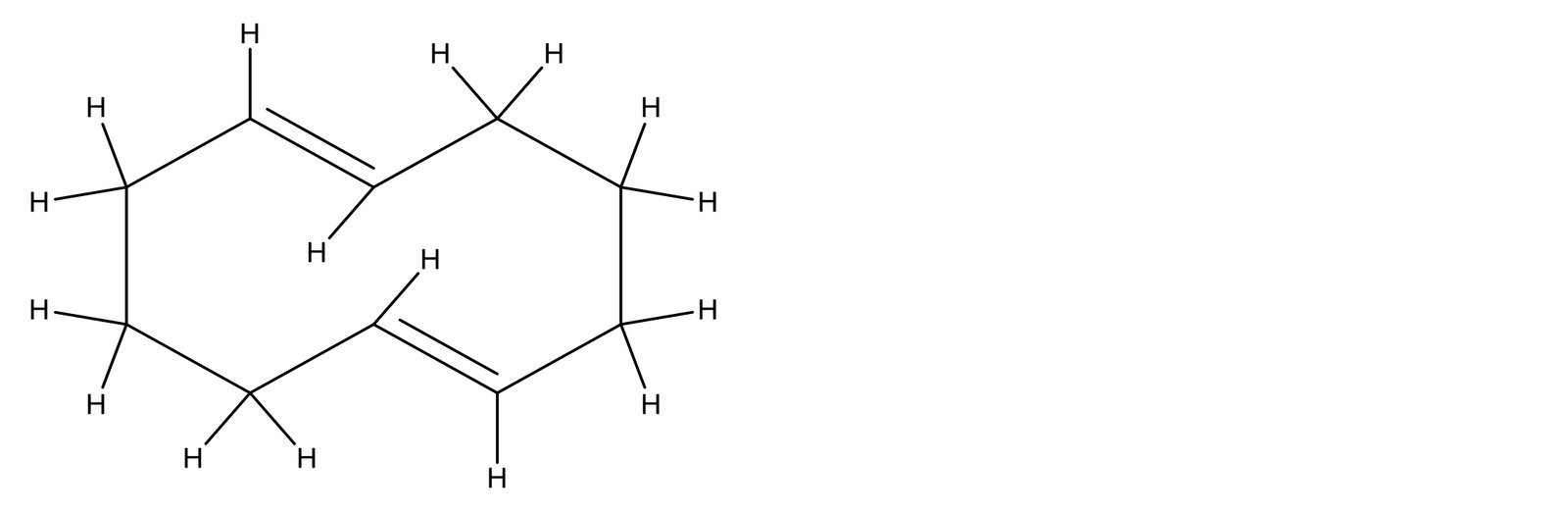
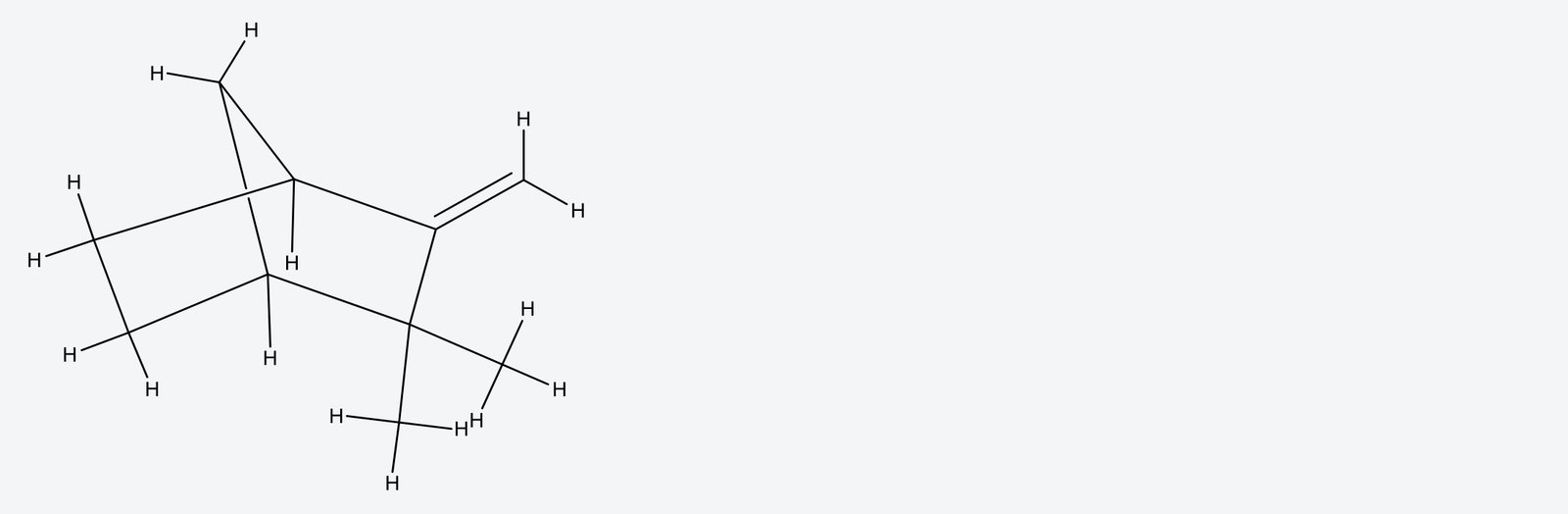
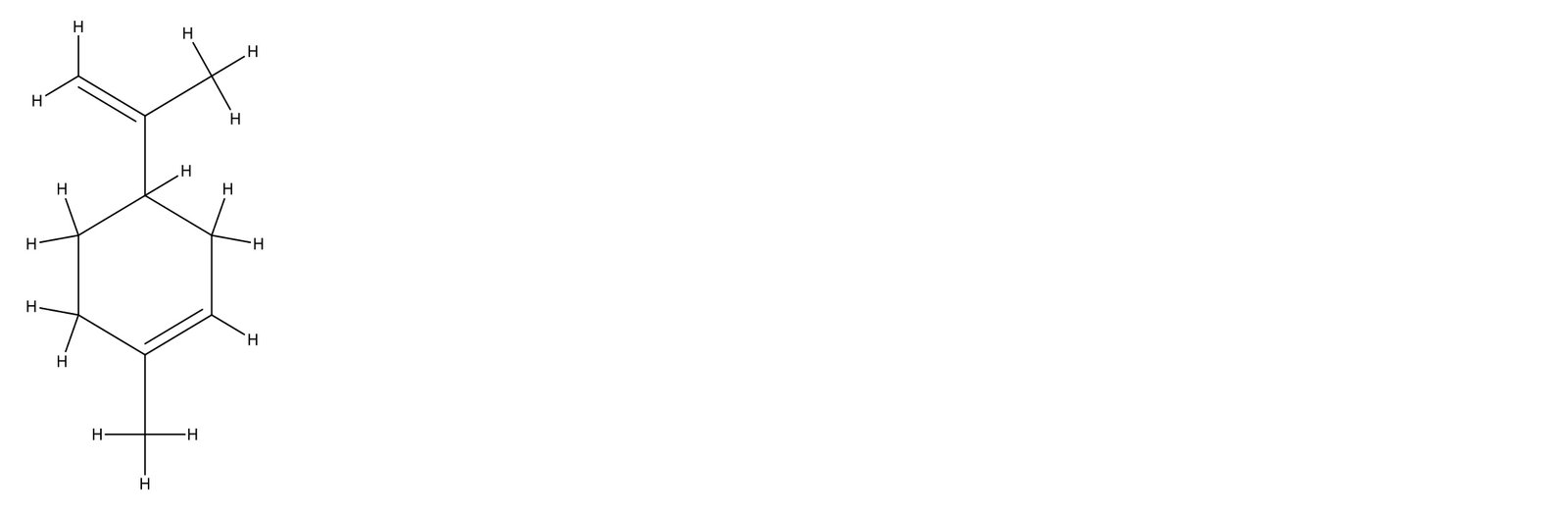
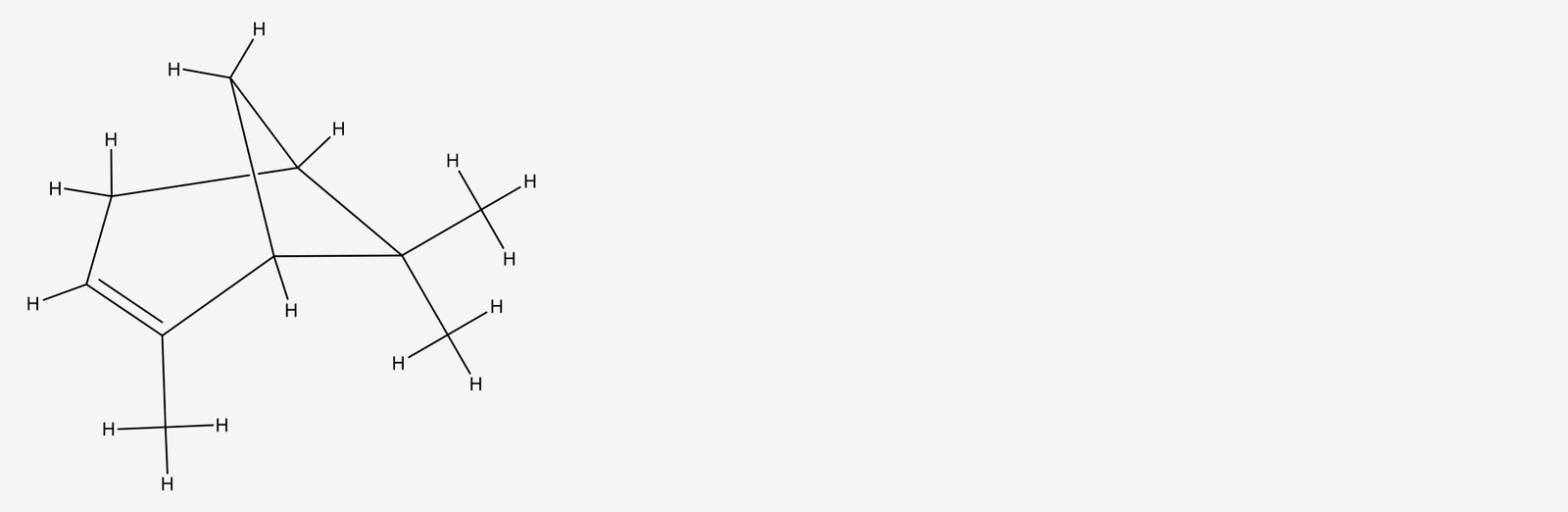
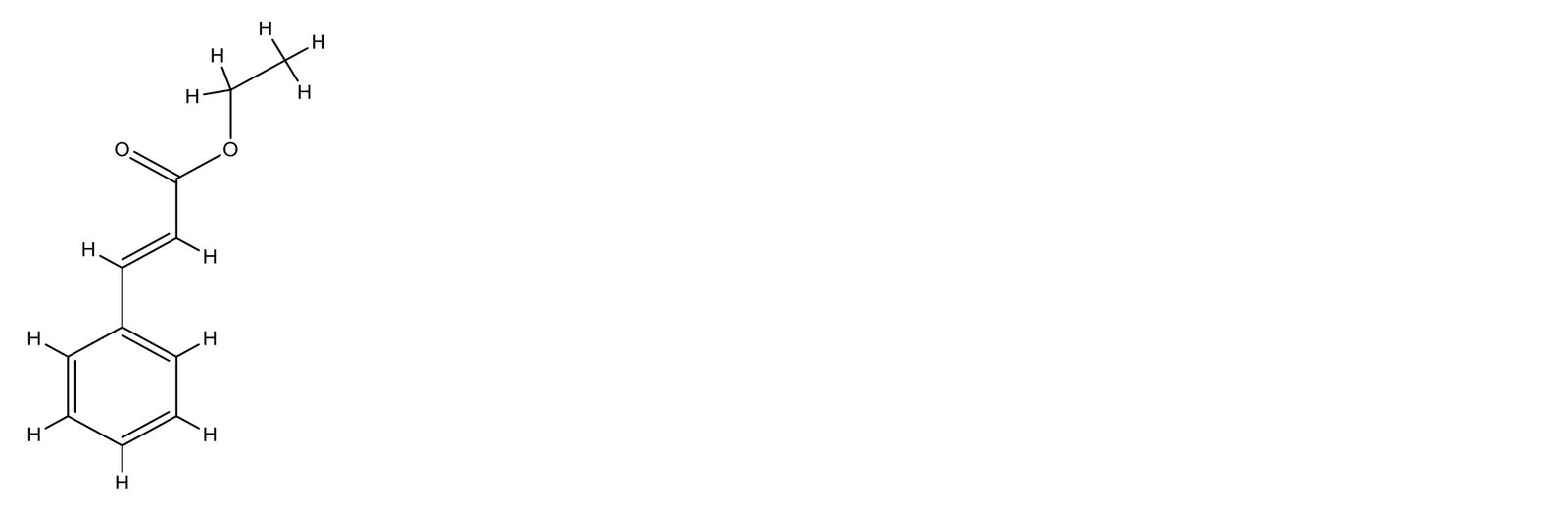
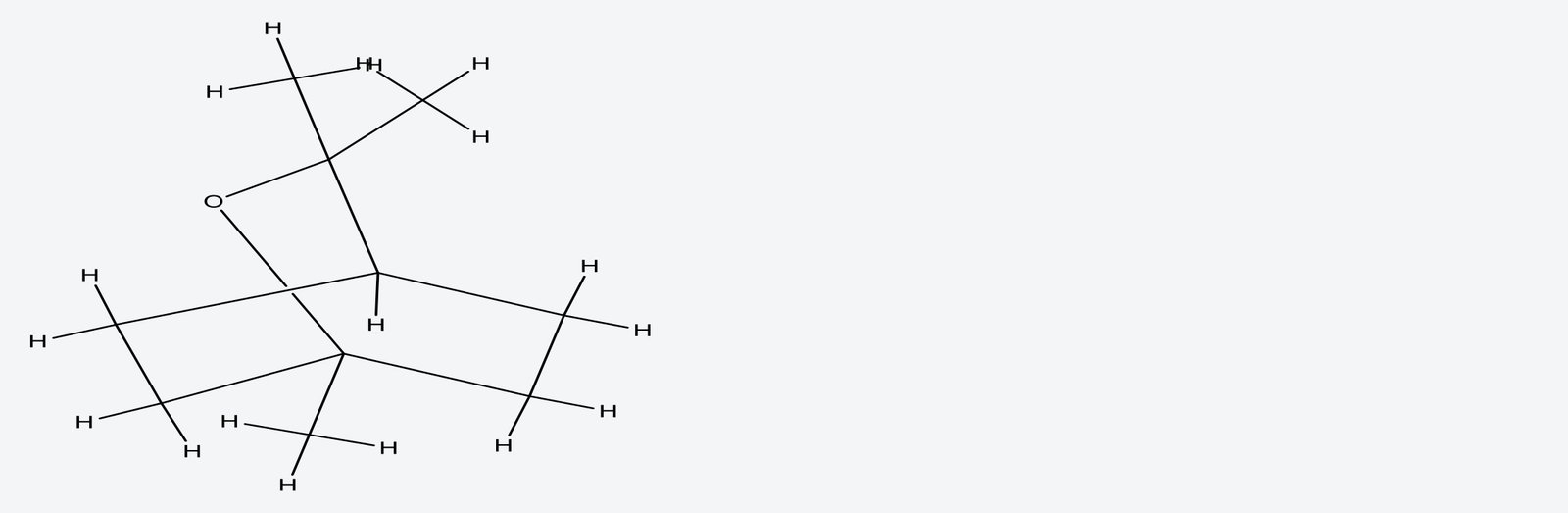
Major chemical compounds found in K. galanga are phenolics, cyclic dipeptides, flavonoids, terpenoids, diarylheptanoids, essential oils and polysaccharides, which are mentioned below (Table 1).
Pharmacological activities
Anti-inflammatory and analgesic properties
The major bioactive constituents found in K. galanga are flavonoids, terpenoids, and phenols, which exert prominent anti-inflammatory activity by blocking cyclooxygenase (COX) and lipoxygenase (LOX). Concomitant inhibition of the cyclooxygenase (COX) and lipoxygenase (LOX) pathways diminishes the downstream synthesis of inflammatory mediators like prostaglandins (PGs) and leukotrienes (LTs), thereby contributing to anti-inflammatory activity (8). Also, they suppress NF-κB signaling and decrease the generation of nitric oxide (NO) and reactive oxygen species (ROS), leading to antioxidant and anti-inflammatory effects (9). Ridtitida et al. used an experimental model to investigate anti-inflammatory and analgesic activity. The plant exhibits analgesic effects mediated both centrally and peripherally. Suppression of PGs reduces nociceptor sensitization in the peripheral region, but opioid receptor modulation and TRPV1 receptor interaction are connected to the central region (10).
Antimicrobial and antiviral effects
K. galanga exhibits antimicrobial and antiviral activities because of its essential oils and phenolic content, including terpenoids, flavonoids, and ethyl p-methoxycinnamate. It has previously been shown that this plant's rhizome has antibacterial action against a variety of Gram-positive and Gram-negative bacteria because it damages the integrity of the cell wall, which causes K. galanga to have antibacterial activity (11). Through membrane disruption and intracellular component leakage, the essential oils, which are abundant in cineole, camphene, and borneol, further strengthen their antibacterial and antifungal properties. They are effective against Candida albicans and dermatophytes. K. galanga exhibits encouraging antiviral qualities; in vitro research has shown that it inhibits enteroviruses, herpes simplex virus, and influenza virus. Suppression of viral replication, disruption of viral entry into host cells, and alteration of host immune responses are thought to be the mechanisms behind antiviral action (12,13).
Anticancer and cytotoxic activities
Extracts of K. galanga have previously been shown to have anticancer properties. Major phytoconstituents include ethyl p-methoxycinnamate (EPMC), flavonoids, diarylheptanoids, and styryl pyrones. It is among the herbs that block the stage of neoplasia that promotes tumor growth. After being evaluated using an indirect immunofluorescent test and Western blot analysis, it has been shown that KG methanolic extracts stop TPA (12-O-tetradecanoylphorbol-13-acetate) from activating the early Epstein-Barr virus antigen in Raji cells, which stops tumor formation. Additionally, methanolic extracts of KG Linn have shown an inhibitory effect on human T cell leukemia (HT-29 cell line) and human cardiac fibroblast (HCF-7) only at dosages greater than 250 µg/mL (13).
Antioxidant and immunomodulatory effects
K. galanga has strong antioxidant and immunomodulatory effects because of the flavonoids, such as luteolin and apigenin, and its total phenolic content is also primarily responsible for this antioxidant activity. Its capacity to scavenge free radicals, prevent lipid peroxidation, and strengthen inherent antioxidant defenses, such as glutathione peroxidase (GPx), catalase (CAT), and superoxide dismutase (SOD), provides it with antioxidant potential. These benefits contribute to reducing cellular damage brought on by oxidative stress, which is linked to ageing, inflammation, and chronic illnesses. By regulating immunological responses, both innate and adaptive, K. galanga exhibits immunomodulatory qualities. TNF-α, IL-1β, and IL-6 are examples of pro-inflammatory cytokines released, and macrophage activity is altered (14,15).
Toxicity studies and their potential adverse effects and contraindications
Toxicological investigations of K. galanga have already demonstrated a broad margin of safety. Some of the safety assessments that have already been done by some researchers are mentioned below: According to Kanjanapothi et al. (2004), an oral dose of 50,000 mg/kg of K. galanga rhizome ethanol extract was the highest amount that could be tolerated, and no deaths were recorded in rats. In both the male and female test groups, no variations were found in any of the parameters analyzed by hematological analysis. There is no skin irritation in pathology and histopathology. Also, no deaths were reported in 28-day subacute toxicity trials when 25, 50, or 100 mg/kg of the ethanolic K. galanga extract was given. Therefore, based on the above toxicological investigations, during the course of treatment, K. galanga is safe for the vital organs. They showed a broad margin of safety for essential organs. Potential adverse effects and contraindications were not observed at the tested doses; however, the lack of data in humans and on long-term use means caution is warranted, especially in pregnancy (16).
S. Siska et al. (2023) investigated the acute toxicity of the ethyl acetate fraction of KG (EAFKG) using measures such as liver and kidney histological morphology and blood chemistry values. In this investigation, 40 DDY strain mice weighing between 20 and 35 g were employed, including both male and female mice. For each sex, there were four groups of mice. Groups 1, 2, 3, and 4 received the EAFKG orally at dosages of 0.128, 0.64, 3.2, and 16 g/kg BW, respectively. Observations were made during the entire day. Using a clinical spectrophotometer, serum levels of AST, ALT, and creatinine were assessed. The test results showed that there were no fatalities in either the male or female mouse groups. EAFKG's rhizome is practically non-toxic (LD50 > 15 g/kg BW). There was no recorded mortality. A blood test did not reveal any notable alterations in the kidney or liver. The drug is acutely safe, and practically no acute organ toxicity is seen even at very high doses (17).
Shawkat et al. (2015) investigated the sedative potential of different rhizome and leaf extracts of K. galanga in Swiss albino mice. Oral administration of acetone, petroleum ether, chloroform, and methanol extracts at 100 and 200 mg/kg showed no toxicity or mortality. This indicates good tolerability. In locomotion parameter assessment, the acetone leaf extract (200 mg/kg) caused up to 95% suppression, which is higher than that of diazepam (70%). The finding suggests that K. galanga is safe enough to be used, but it exhibits potent sedative and CNS depressant properties due to its traditional use for restlessness, stress and anxiety. No mortality or overt toxicity is observed at doses of 100–200 mg/kg, but a risk of sedation and CNS depression is observed if combined with alcohol, benzodiazepines or barbiturates (18). Despite K. galanga's long history of use as TCHM, its comprehensive toxicity and safety assessments are still unknown, according to Amuamuta et al (2017). The acute and subacute toxicity tests of the ethanol extract from its rhizomes indicate that it exhibits no noticeable toxicity concerning morbidity or mortality, with a maximum single oral dose of up to 5,000 mg/kg (body weight) and a daily dose of 1,000 mg/kg (body weight) administered for a consecutive period of 30 days. No such contraindication is observed in animals, but extrapolation to humans still requires caution, even though systemic safety is observed even with prolonged administration (19).
In an in vitro investigation, Jacob et al. (2023) found that many bioactive compounds found in K. galanga's rhizome support the plant's anti-inflammatory, anticancer, antibacterial, and antioxidant qualities. Therefore, additional in vivo research could shed light on whether K. galanga rhizome extracts can be employed alongside existing conventional treatments for chronic illnesses. An in vitro toxicity evaluation of K. galanga rhizome extract showed dose-dependent cytotoxicity against HeLa cancer cells. The extract had an IC50 value of 25.04 µg/mL and induced apoptosis in 24.63% of cells. Both analyses show that the extract exhibits selective therapeutic value of anticancer activity rather than general toxicity. At higher concentrations, the extracts show cytotoxic effects even on non-cancerous cells, leading to cell death, which requires in vivo validation (20).
Umar et al. (2012) investigated the finding that K. galanga has anti-inflammatory activity. They isolated K. galanga extract using petroleum ether, chloroform, and methanol. Extract of the plant (2 g/kg per animal) was tested for its potency in addressing inflammation through the carrageenan-induced paw oedema model. The chloroform extract demonstrated the highest level of inhibition (42.9%) in comparison to the control (p < 0.001). Consequently, it underwent further fractionation through repeated washing with chloroform, hexane, and a hexane-chloroform mixture (1:1). The chloroform fraction (1 g/kg) exhibited the most significant inhibitory effect (51.9%, p < 0.001) on carrageenan-induced oedema. This chloroform fraction was subsequently separated using a mixture of chloroform and hexane-chloroform (1:3). The chloroform fraction (1 g/kg) exhibited the most significant inhibitory effect (51.9%, p < 0.001) on carrageenan-induced oedema. This chloroform fraction was subsequently separated using a combination of chloroform and hexane-chloroform (1:3). The main component of the active sub-fraction, ethyl-p-methoxycinnamate (EPMC), was identified through GC-MS analysis and subsequently recrystallized. Carrageenan-induced oedema was dose-dependently reduced by EPMC, with an effective dose (ED50) of 100 mg/kg. At higher concentrations, EPMC modulates immune function, which particularly exacerbates immune suppression to show an anti-inflammatory response, thereby increasing susceptibility to infections. This is why this drug is contraindicated in patients taking immunosuppressants or those with chronic immune-related conditions (21).
Adulteration and identification
Issues of adulteration in the herbal market
Consumers often fail to recognize this adulteration and purchase herbs that closely resemble genuine Kaempferia species. Studies carried out in India have revealed that Ayurvedic medicines frequently include adulterants. In the course of an ethnomedical study conducted in Northeast (NE) India, we discovered that species in the family Marantaceae, such as Calathea bachemiana and Maranta leuconeura, are contaminating Kaempferia species. Elephants in Assamese woodlands mostly eat plants in the Zingiberaceae and Marantaceae families. The Marantaceae family of plants has received little taxonomic research in Asia; prior research on the family identified 55 species in the region. Species from the Zingiberaceae and Marantaceae families utilize rhizomes for clonal propagation. The aboveground biomass of the species of both families exhibits a remarkably rapid growth rate in order to multiply quickly. Additionally, during the monsoon, plants in the Zingiberaceae and Marantaceae families begin to reproduce. Herbal healers find it challenging to identify individuals belonging to both families at the species level once the blooming season ends due to the physical similarities of their leaves. The adulteration of Kaempferia by leaf-shaped Marantaceae species arises as a result of this identification challenge. To resolve this problem, during the monsoon season, species from both families were collected and identified by a renowned curator at Gauhati University. Two Marantaceae species and four Kaempferia species that were obtained from Assam made up the study's materials (21).
Application in food and industry
A variety of medicinal and culinary uses of K. galanga for health benefits, food, and nutritional purposes are well documented (22). Aromatic ginger is used as a therapeutic spice in Indian, Chinese, and Southeast Asian cuisines. A huge portion of the population consumes it in health-promoting pickles. Scientific studies on its specific nutritional and safety status, as well as its practical use, have not yet been conducted. Creating novel health products based on "whole foods" or specific plant bioactivity has been a hot area of study. Made from K. galanga tubers, "Beras Kencur" is a well-known Java beverage. The essential oil that is derived from the rhizome and leaves is used in Bangladesh to flavor food and drinks and to fragrance vinegar (23). In Indonesia and Malaysia, traditional herbal preparations known as 'Makjun' and 'Jamu' are eaten for health benefits.
Biotechnological advancement
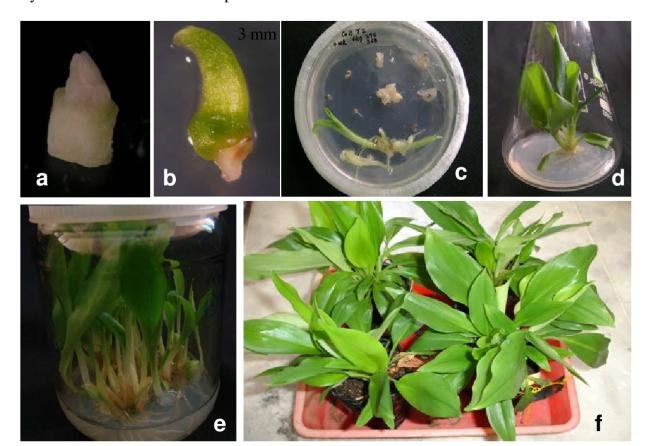
Tissue culture
Tissue culture is an essential method for the rapid and disease-free growth of plants. It is a highly researched technique for sustainable growth and agricultural enhancement. Farmers can effectively use the in vitro-produced micro cox rhizomes. Plantlets produced by rhizome-induced in vitro propagation are easily transportable and cause little damage. The plant can be multiplied by using the rhizomes of K. galanga (24). It takes a year to propagate a mature rhizome. There is documentation of K. galanga cell suspension-based culture, in vitro plant regeneration, and microrhizome production (25,26). The K. galanga rhizome was used to establish an in vitro plant regeneration technique using MS media. After two weeks of adaptation in a growth room, 98% of the K. galanga plantlets survived. Furthermore, Park et al. asserted that using silver nanostructures instead of sodium hypochlorite to sterilize the surface of rhizome buds produced growth (27). Adenine sulphates (Ads), naphthalene acetic acid, benzyl adenine, indoleacetic acid, and indole butyric acid are among the plant growth stimulants that have been employed in studies to induce numerous shoots in K. galanga. After adding BA (IAA (0.5 mg/L, 1 mg/L) to MS, Parida et al. (2010) discovered that there were a lot more shoots. Additionally, they tailored the media to produce a high amount of leaf biomass, which contained 0.5 mg/L IAA and 1 mg/L BA. The micropropagated plants also showed genetic stability, according to the results of the RAPD study (28). In 2011, Mohanty et al. developed a method for in vitro leaf biomass propagation and rapid micropropagation by using MS agar media to inoculate explants and multiply K. galanga in vitro (micro). In MS medium containing 0.1 mg/L TDZ (thidiazuron) and 2.0 mg/L NAA, Vidya et al. (2022) discovered that the highest concentration of AgNPs (25 mg/L) resulted in the strongest microrhizome induction in MS medium containing 0.1 mg/L TDZ (thidiazuron) and 2.0 mg/L NAA. Another study found that when K. galanga pseudostem explants were grown in liquid MS media instead of MS agar, they produced more shoots. Plantlet height was positively impacted by activated charcoal (AC), but the quantity of multifaceted multifaceted plant generated was negatively impacted. However, there was no variation in the number of roots, their length, or the size and quantity of leaves (29). The effective growth of K. galanga's embryogenic callus was achieved with 0.5 mg/L BAP and 2.5 mg/L 2,4-D added to an MS solid medium. Globoid or torpedo-shaped somatic embryos were successfully transplanted into the field after being taken out of callus culture and wrapped in calcium alginate beads, where they demonstrated a 50% success rate (30). Genetic stability of tissue-grown plants is necessary for the commercial use of the technique. It requires the bulk production of true-to-type plants of a specific genotype on a large scale (31). Only a few publications on tissue culture experiments in K. galanga have been published to date (32), and in vitro production of leaf biomass for potential commercial use is not discussed by any of them.
Genetic engineering for enhanced bioactive compound production
Up to 70 different R genes that show resistance to significant plant diseases have been found, isolated, and cloned in a variety of plants during the last 15 years (33,34). These genes encode proteins with higher levels of structure and amino acid sequence conservation. Cytoplasmic receptor-like proteins are expressed by about 75% of cloned plant disease resistance (R) genes, which are characterized by an N-terminal nucleotide-binding site (NBS) and a leucine-rich repeat (LRR) domain (35). According to whole-genome sequence research, the genomes of rice and Arabidopsis contain roughly 600 NBS–LRR genes (36,37) and 150–175 NBS–LRR genes, respectively (20,21). Based on whether a TIR domain (Drosophila Toll and mammalian Interleukin-1 receptor homology region) is present at the protein's N-terminus, the NBS–LRR gene family is split into two classes: the TIR NBS–LRR class and the non-TIR NBS–LRR class (38). LRR and NBS are two examples of small motifs of their encoding proteins that are highly conserved, despite the fact that the sequence homology of the NBS–LRR genes shows considerable variation. These patterns allow the rapid separation of the NBS–LRR genes or resistance gene analogues (RGA) from different plant species utilizing a polymerase chain reaction-based technique using degenerate oligonucleotide primers constructed from these domains. Many plant species, including wheat (39), barley (40,41), tomato (42), rice (43), sugarcane, soybean (44,45), maize (46), ginger (47), and turmeric (48), have made extensive use of this tactic. Many RGAs are tightly linked to or co-segregate with established disease resistance loci, according to genomic mapping and phylogenetic research. Therefore, these isolated RGAs have proven useful tools for dissecting, tagging, and isolating genes that confer both qualitative and quantitative resistance to diverse illnesses. RGA clones offer crucial resources for researching the structure and the development of the NBS–LRR gene family in numerous plant species, as well as useful markers for genetically mapping the genes responsible for disease resistance. The herbaceous medicinal plant known as greater galangal (Kaempferia galanga L.) belongs to the Zingiberaceae family, which has more than 60 species. These are mostly grown in China, India, and Southeast Asia and are widely disseminated throughout Asia's and Africa's tropics and subtropics. The plant is widely used to make spices, perfumes, cosmetics, and ayurvedic medications (49). The plant products have excellent therapeutic qualities and are frequently used to treat headaches, peptic ulcers, fatigue, diarrhea, and migraine (50). Since K. galanga only reproduces vegetatively and is completely sterile, conventional crop enhancement techniques are inappropriate. Furthermore, K. galanga is a wild species that is on the verge of becoming an endangered one due to its low rhizome regeneration. Given the increased demand for K. galanga and its higher economic and medicinal qualities, a suitable protocol is required to create disease-free stocks. Almost all Kaempferia species, even those in the Zingiberaceae family, are similarly susceptible to dangerous diseases like Fusarium oxysporum's soft rot, leaf blotch from Taphrina maculans, and rhizome rot from Pythium spp. Therefore, disease-resistant galangal cultivars may only be produced by cloning, characterizing, and then transforming resistance genes. Since this species has not yet been found to have R genes or RGA, it offers a desired system for research on both qualitative resistance and quantitative response. The genus Kaempferia's NBS-LRR genes were cloned and sequenced to (i) discover NBS–LRR RGAs; (ii) evaluate the degree of sequence variation in these genes; and (iii) use gene index and phylogenetic analysis to determine the links between the cloned plant NBS–LRR-expressing R genes and the Kaempferia RGA.
Conclusion
Reviewers and numerous researchers have claimed that the plant possesses a wide range of pharmacological actions. The active components of K. galanga rhizome extract have been shown to suppress gastric, colon, oral and multiple myeloma cancer cells through mechanisms that involve apoptosis, cytotoxicity, and the suppression of tumour cell growth. It may impact the course of the cell cycle of HepG2 cells and trigger death. Regarding anti-obesity initiatives, in a study, Tsumura Suzuki Obese Diabetes (TSOD) mice were given 1 to 3 per cent extracts of K. galanga for eight weeks. All problems, including body weight growth, peripheral neuropathy, glucose intolerance, hyperinsulinemia, visceral fat buildup, insulin resistance, and abnormal lipid metabolism, were inhibited in the treated mice. Escherichia coli, Staphylococcus aureus, Pseudomonas, Aspergillus, and Candida albicans are all susceptible to the antibacterial properties of K. galanga rhizome extract. Several pathogenic bacteria and fungi were suppressed in a disc diffusion study utilising a disc impregnated with 10 μL with ethanolic and methanolic extracts of K. galanga, with the highest inhibition zone (21.3 ± 0.08) against Staphylococcus aureus.
Anti-inflammatory activity: iNOS mRNA expression was significantly reduced by the chemical and plant extract, whereas COX-2 mRNA expression was not. In vivo experiments revealed that the most efficient fractions for lowering rat paw oedema were hexane and chloroform. Because it has generated favorable results, including increasing skin moisturization, reducing wrinkles, and improving skin, it can also be used for external applications in the cosmetics and pharmaceutical industries. As a natural acne remedy, the Kaempferia plant extract decreased the buildup of fat and triglycerides in sebocytes, hence lowering skin infections. Based on all of the pharmacological activities, it has been determined that the plant has promise for treating a variety of diseases in terms of formulation. Thus, from all the reported information available, the plant has various potential anticancer, anti-inflammatory, antibacterial, antifungal, and antimicrobial properties, which help in the treatment of diseases. Keeping all this in mind, the reviewers and researchers may explore these properties in the formulation and development of a suitable formulation for their clinical importance in the near future.
Author Contributions
All the authors have equal contributions in drafting the manuscript.
Acknowledgements
Declared none.
Conflict of Interest
Declared none.
Funding
No funding was received.
Data Availability
Not applicable.
Ethics Approval
Not applicable.
Use of Generative AI
No artificial intelligence tools were used in the preparation of this manuscript.
References
- Garg RK. The alarming rise of lifestyle diseases and their impact on public health: A comprehensive overview and strategies for overcoming the epidemic. Journal of Research in Medical Sciences. 2025 Jan;30(1). doi:10.4103/jrms.jrms_54_24.
- Ali H, Yesmin R, Satter MA, Habib R, Yeasmin T. Antioxidant and antineoplastic activities of the methanolic extract of Kaempferia galanga Linn. Rhizome against Ehrlich ascites carcinoma cells. J King Saud Univ Sci. 2018 Jul;30(3):386–92. doi:10.1016/j.jksus.2017.05.009.
- Singh A, Singh N, Singh S, Srivastava RP, Singh L, Verma PC, et al. The industrially important genus Kaempferia: An ethnopharmacological review. Front Pharmacol. 2023 Feb 27;14. doi:10.3389/fphar.2023.1099523.
- Demeke CA, Woldeyohanins AE, Kifle ZD. Herbal medicine use for the management of COVID-19: A review article. Metabol Open. 2021 Dec;12:100141. doi:10.1016/j.metop.2021.100141.
- Ling V, Zabetakis I. The Role of an Anti-Inflammatory Diet in Conjunction to COVID-19. Diseases. 2021 Oct 29;9(4):76. doi:10.3390/diseases9040076.
- Aziz MA, Adnan M, Khan AH, Shahat AA, Al-Said MS, Ullah R. Traditional uses of medicinal plants practised by the indigenous communities at Mohmand Agency, FATA, Pakistan. J Ethnobiol Ethnomed. 2018 Dec 9;14(1):2. doi:10.1186/s13002-017-0204-5.
- Rizvi SAA, Einstein GP, Tulp OL, Sainvil F, Branly R. Introduction to Traditional Medicine and Their Role in Prevention and Treatment of Emerging and Re-Emerging Diseases. Biomolecules. 2022 Oct 9;12(10):1442. doi:10.3390/biom12101442.
- Ysrafil Y, Sapiun Z, Slamet NS, Mohamad F, Hartati H, Damiti SA, et al. Anti-inflammatory activities of flavonoid derivatives. ADMET DMPK. 2023 Jul 26. doi:10.5599/admet.1918.
- Li N, Karin M. Is NF‐κB the sensor of oxidative stress? The FASEB Journal. 1999 Jul;13(10):1137–43. doi:10.1096/fasebj.13.10.1137.
- Ridtitid W, Sae-wong C, Reanmongkol W, Wongnawa M. Antinociceptive activity of the methanolic extract of Kaempferia galanga Linn. in experimental animals. J Ethnopharmacol. 2008 Jul;118(2):225–30. doi:10.1016/j.jep.2008.04.002.
- Kochuthressia K, Britto S. In vitro antimicrobial evaluation of Kaempferia galanga L. rhizome extract. American Journal of Biotechnology and Molecular Sciences. 2012 Dec;2(1):1–5. doi:10.5251/ajbms.2012.2.1.1.5.
- Shahzad H, Saleem S, Hanif W, Ali Z, Ahmed MZ, Nawaz H, et al. Medicinal Biospecificity of Ginger and Its Efficacious Bioactive Compounds in the Context of Its Biological Activities Against Predominant Health Issues: Current Study and New Avenues. Biology, Medicine, & Natural Product Chemistry. 2023 Jun 24;12(1):371–89. doi:10.14421/biomedich.2023.121.371-389.
- Wang X, Shen Y, Thakur K, Han J, Zhang JG, Hu F, et al. Antibacterial Activity and Mechanism of Ginger Essential Oil against Escherichia coli and Staphylococcus aureus. Molecules. 2020 Aug 30;25(17):3955. doi:10.3390/molecules25173955.
- Yücel Ç, Karatoprak GŞ, Açıkara ÖB, Akkol EK, Barak TH, Sobarzo-Sánchez E, et al. Immunomodulatory and anti-inflammatory therapeutic potential of gingerols and their nanoformulations. Front Pharmacol. 2022 Sep 5;13. doi:10.3389/fphar.2022.902551.
- Jongrungraungchok S, Madaka F, Wunnakup T, Sudsai T, Pongphaew C, Songsak T, et al. In vitro antioxidant, anti-inflammatory, and anticancer activities of a mixture of Thai medicinal plants. BMC Complement Med Ther. 2023 Feb 10;23(1):43. doi:10.1186/s12906-023-03862-8.
- Kanjanapothi D. Toxicity of crude rhizome extract of Kaempferia galanga L. (Proh Hom). J Ethnopharmacol. 2004 Feb;90(2–3):359–65. doi:10.1016/j.jep.2003.10.020.
- Siska S, Bariroh T, Supandi S. Acute Toxicity of Ethyl Acetate Fraction of Kaempferia galanga L. Rhizome. IOP Conf Ser Earth Environ Sci. 2023 Sep 1;1242(1):012007. doi:10.1088/1755-1315/1242/1/012007.
- Ali MS, Dash PR, Nasrin M. Study of sedative activity of different extracts of Kaempferia galanga in Swiss albino mice. BMC Complement Altern Med. 2015 Dec 27;15(1):158. doi:10.1186/s12906-015-0670-z.
- Amuamuta A, Plengsuriyakarn T, Na-Bangchang K. Anticholangiocarcinoma activity and toxicity of the Kaempferia galanga Linn. Rhizome ethanolic extract. BMC Complement Altern Med. 2017 Dec 12;17(1):213. doi:10.1186/s12906-017-1713-4.
- Jacob J, Ragunathan R, Johney J. Bioactive Profiling of Kaempferia galanga Rhizome Extract: An In Vitro Study of its Antibacterial, Anticancer and Apoptotic Activity. Journal of Natural Remedies. 2025 Apr 4;629–37. doi:10.18311/jnr/2025/46250.
- Umar MI, Asmawi MZ, Sadikun A, Atangwho IJ, Yam MF, Altaf R, et al. Bioactivity-Guided Isolation of Ethyl-p-methoxycinnamate, an Anti-inflammatory Constituent, from Kaempferia galanga L. Extracts. Molecules. 2012 Jul 23;17(7):8720–34. doi:10.3390/molecules17078720.
- Thankappan Suvarna Preetha, Achuthan Sudarsanan Hemanthakumar, Peringatulli Narayanan Krishnan. A comprehensive review of Kaempferia galanga L. (Zingiberaceae): A highly sought medicinal plant in Tropical Asia. Journal of Medicinal Plants Studies. 2016 Apr 25;5(3):270–6.
- Rahman MM. MNA,. TA, MRA,. AH. Efficient Plant Regeneration Through Somatic Embryogenesis from Leaf Base-derived Callus of Kaempferia galanga L. Asian J Plant Sci. 2004 Oct 15;3(6):675–8. doi:10.3923/ajps.2004.675.678.
- Prathanturarug S, Apichartbutra T, Chuakul W, Saralamp P. Mass propagation of Kaempferia parviflora Wall. Ex Baker by in vitro regeneration. J Hortic Sci Biotechnol. 2007 Jan 7;82(2):179–83. doi:10.1080/14620316.2007.11512217.
- Zuraida AR, Nazreena OA, Liyana Izzati KF, Aziz A. Establishment and Optimisation of Growth of Shoot Buds-Derived Callus and Suspension Cell Cultures of &Kaempferia parviflora & Am J Plant Sci. 2014;05(18):2693–9. doi:10.4236/ajps.2014.518284.
- Zuraida A, Izzati K, Nazreena O, Omar N. In vitro Microrhizome Formation in Kaempferia parviflora. Annu Res Rev Biol. 2015 Jan 10;5(5):460–7. doi:10.9734/ARRB/2015/13950.
- Park HY, Kim KS, Ak G, Zengin G, Cziáky Z, Jekő J, et al. Establishment of a Rapid Micropropagation System for Kaempferia parviflora Wall. Ex Baker: Phytochemical Analysis of Leaf Extracts and Evaluation of Biological Activities. Plants. 2021 Apr 5;10(4):698. doi:10.3390/plants10040698.
- Parida R, Mohanty S, Kuanar A, Nayak S. Rapid multiplication and in vitro production of leaf biomass in Kaempferia galanga through tissue culture. Electronic Journal of Biotechnology. 2010 Jun 15;13(4). doi:10.2225/vol13-issue4-fulltext-12.
- Vidya VR, Pillai P, Preetha TS. Comparative chemical profiling of essential oil components using GC-MS in micro, mini and mother rhizomes of Kaempferia galanga L. J Adv Sci Res. 2022 Feb 10;13(01):188–99. doi:10.55218/JASR.202213121.
- Md-Mustafa ND, Khalid N, Gao H, Peng Z, Alimin MF, Bujang N, et al. Transcriptome profiling shows gene regulation patterns in a flavonoid pathway in response to exogenous phenylalanine in Boesenbergia rotunda cell culture. BMC Genomics. 2014 Dec 18;15(1):984. doi:10.1186/1471-2164-15-984.
- Mohanty S, Parida R, Singh S, Joshi RK, Subudhi E, Nayak S. Biochemical and molecular profiling of micropropagated and conventionally grown Kaempferia galanga. Plant Cell, Tissue and Organ Culture (PCTOC). 2011 Jul 2;106(1):39–46. doi:10.1007/s11240-010-9891-5.
- Shirin F, Kumar S, Mishra Y. In vitro plantlet production system for Kaempferia galanga, a rare Indian medicinal herb. Plant Cell Tissue Organ Cult. 2000 Dec;63(3):193–7. doi:10.1023/A:1010635920518.
- KOSUGE T, YOKOTA M, SUGIYAMA K, SAITO M, IWATA Y, NAKURA M, et al. Studies on anticancer principles in Chinese medicines. II. Cytotoxic principles in Biota orientalis (L.) ENDL. and Kaempferia galanga L. Chem Pharm Bull (Tokyo). 1985;33(12):5565–7. doi:10.1248/cpb.33.5565.
- KIUCHI F, NAKAMURA N, TSUDA Y, KONDO K, YOSHIMURA H. Studies on crude drugs effective on visceral larva migrans. II. Larvicidal principles in Kaempferiae Rhizoma. Chem Pharm Bull (Tokyo). 1988;36(1):412–5. doi:10.1248/cpb.36.412.
- HARRIS GP, HART EMH. Regeneration from Leaf Squares of Peperomia sandersii A .DC: A Relationship between Rooting and Budding. Ann Bot. 1964 Jul;28(3):509–26. doi:10.1093/oxfordjournals.aob.a083912.
- Németh G. Benzyladenine-Stimulated Rooting in Fruit-Tree Rootstocks Cultured in vitro. Zeitschrift für Pflanzenphysiologie. 1979 Dec;95(5):389–96. doi:10.1016/S0044-328X(79)80209-3.
- HUSSEY G, STACEY NJ. In Vitro Propagation of Potato (Solanum tuberosum L.). Ann Bot. 1981 Dec;48(6):787–96. doi:10.1093/oxfordjournals.aob.a086186.
- Liu J, Liu X, Dai L, Wang G. Recent Progress in Elucidating the Structure, Function and Evolution of Disease Resistance Genes in Plants. Journal of Genetics and Genomics. 2007 Sep;34(9):765–76. doi:10.1016/S1673-8527(07)60087-3.
- Sharma TR, Das A, Kumar SP, Lodha ML. Resistance Gene Analogues as a Tool for Rapid Identification and Cloning of Disease Resistance Genes in Plants 3 A Review. J Plant Biochem Biotechnol. 2009 Jan 20;18(1):1–11. doi:10.1007/BF03263289.
- Hammond-Kosack KE, Jones JDG. PLANT DISEASE RESISTANCE GENES. Annu Rev Plant Physiol Plant Mol Biol. 1997 Jun;48(1):575–607. doi:10.1146/annurev.arplant.48.1.575.
- Meyers BC, Kozik A, Griego A, Kuang H, Michelmore RW. Genome-Wide Analysis of NBS-LRR–Encoding Genes in Arabidopsis[W]. Plant Cell. 2003 Apr 1;15(4):809–34. doi:10.1105/tpc.009308.
- Richly E, Kurth J, Leister D. Mode of Amplification and Reorganization of Resistance Genes During Recent Arabidopsis thaliana Evolution. Mol Biol Evol. 2002 Jan 1;19(1):76–84. doi:10.1093/oxfordjournals.molbev.a003984.
- Goff SA, Ricke D, Lan TH, Presting G, Wang R, Dunn M, et al. A draft sequence of the rice genome (Oryza sativa L. ssp. japonica). Science (1979). 2002 Apr 5;296(5565):92–100. doi:10.1126/science.1068275.
- Meyers BC, Dickerman AW, Michelmore RW, Sivaramakrishnan S, Sobral BW, Young ND. Plant disease resistance genes encode members of an ancient and diverse protein family within the nucleotide-binding superfamily. The Plant Journal. 1999 Nov;20(3):317–32. doi:10.1046/j.1365-313X.1999.t01-1-00606.x.
- Hulbert SH, Webb CA, Smith SM, Sun Q. RESISTANCE GENE COMPLEXES: Evolution and Utilization. Annu Rev Phytopathol. 2001 Sep;39(1):285–312. doi:10.1146/annurev.phyto.39.1.285.
- Huang L, Brooks SA, Li W, Fellers JP, Trick HN, Gill BS. Map-Based Cloning of Leaf Rust Resistance Gene Lr21 From the Large and Polyploid Genome of Bread Wheat. Genetics. 2003 Jun 1;164(2):655–64. doi:10.1093/genetics/164.2.655.
- Leister D, Kurth J, Laurie DA, Yano M, Sasaki T, Graner A, et al. RFLP- and physical mapping of resistance gene homologues in rice (O. sativa) and Barley (H. vulgare). Theoretical and Applied Genetics. 1999 Mar;98(3–4):509–20. doi:10.1007/s001220051099.
- Seah S, Sivasithamparam K, Karakousis A, Lagudah ES. Cloning and characterisation of a family of disease resistance gene analogs from wheat and barley. Theoretical and Applied Genetics. 1998 Oct;97(5–6):937–45. doi:10.1007/s001220050974.
- Mago R, Nair S, Mohan M. Resistance gene analogues from rice: cloning, sequencing and mapping. Theoretical and Applied Genetics. 1999 Jul;99(1–2):50–7. doi:10.1007/s001220051207.
- Pan Q, Wendel J, Fluhr R. Divergent Evolution of Plant NBS-LRR Resistance Gene Homologues in Dicot and Cereal Genomes. J Mol Evol. 2000 Mar;50(3):203–13. doi:10.1007/s002399910023.
References
References
- Garg RK. The alarming rise of lifestyle diseases and their impact on public health: A comprehensive overview and strategies for overcoming the epidemic. Journal of Research in Medical Sciences. 2025 Jan;30(1). doi:10.4103/jrms.jrms_54_24.
- Ali H, Yesmin R, Satter MA, Habib R, Yeasmin T. Antioxidant and antineoplastic activities of the methanolic extract of Kaempferia galanga Linn. Rhizome against Ehrlich ascites carcinoma cells. J King Saud Univ Sci. 2018 Jul;30(3):386–92. doi:10.1016/j.jksus.2017.05.009.
- Singh A, Singh N, Singh S, Srivastava RP, Singh L, Verma PC, et al. The industrially important genus Kaempferia: An ethnopharmacological review. Front Pharmacol. 2023 Feb 27;14. doi:10.3389/fphar.2023.1099523.
- Demeke CA, Woldeyohanins AE, Kifle ZD. Herbal medicine use for the management of COVID-19: A review article. Metabol Open. 2021 Dec;12:100141. doi:10.1016/j.metop.2021.100141.
- Ling V, Zabetakis I. The Role of an Anti-Inflammatory Diet in Conjunction to COVID-19. Diseases. 2021 Oct 29;9(4):76. doi:10.3390/diseases9040076.
- Aziz MA, Adnan M, Khan AH, Shahat AA, Al-Said MS, Ullah R. Traditional uses of medicinal plants practised by the indigenous communities at Mohmand Agency, FATA, Pakistan. J Ethnobiol Ethnomed. 2018 Dec 9;14(1):2. doi:10.1186/s13002-017-0204-5.
- Rizvi SAA, Einstein GP, Tulp OL, Sainvil F, Branly R. Introduction to Traditional Medicine and Their Role in Prevention and Treatment of Emerging and Re-Emerging Diseases. Biomolecules. 2022 Oct 9;12(10):1442. doi:10.3390/biom12101442.
- Ysrafil Y, Sapiun Z, Slamet NS, Mohamad F, Hartati H, Damiti SA, et al. Anti-inflammatory activities of flavonoid derivatives. ADMET DMPK. 2023 Jul 26. doi:10.5599/admet.1918.
- Li N, Karin M. Is NF‐κB the sensor of oxidative stress? The FASEB Journal. 1999 Jul;13(10):1137–43. doi:10.1096/fasebj.13.10.1137.
- Ridtitid W, Sae-wong C, Reanmongkol W, Wongnawa M. Antinociceptive activity of the methanolic extract of Kaempferia galanga Linn. in experimental animals. J Ethnopharmacol. 2008 Jul;118(2):225–30. doi:10.1016/j.jep.2008.04.002.
- Kochuthressia K, Britto S. In vitro antimicrobial evaluation of Kaempferia galanga L. rhizome extract. American Journal of Biotechnology and Molecular Sciences. 2012 Dec;2(1):1–5. doi:10.5251/ajbms.2012.2.1.1.5.
- Shahzad H, Saleem S, Hanif W, Ali Z, Ahmed MZ, Nawaz H, et al. Medicinal Biospecificity of Ginger and Its Efficacious Bioactive Compounds in the Context of Its Biological Activities Against Predominant Health Issues: Current Study and New Avenues. Biology, Medicine, & Natural Product Chemistry. 2023 Jun 24;12(1):371–89. doi:10.14421/biomedich.2023.121.371-389.
- Wang X, Shen Y, Thakur K, Han J, Zhang JG, Hu F, et al. Antibacterial Activity and Mechanism of Ginger Essential Oil against Escherichia coli and Staphylococcus aureus. Molecules. 2020 Aug 30;25(17):3955. doi:10.3390/molecules25173955.
- Yücel Ç, Karatoprak GŞ, Açıkara ÖB, Akkol EK, Barak TH, Sobarzo-Sánchez E, et al. Immunomodulatory and anti-inflammatory therapeutic potential of gingerols and their nanoformulations. Front Pharmacol. 2022 Sep 5;13. doi:10.3389/fphar.2022.902551.
- Jongrungraungchok S, Madaka F, Wunnakup T, Sudsai T, Pongphaew C, Songsak T, et al. In vitro antioxidant, anti-inflammatory, and anticancer activities of a mixture of Thai medicinal plants. BMC Complement Med Ther. 2023 Feb 10;23(1):43. doi:10.1186/s12906-023-03862-8.
- Kanjanapothi D. Toxicity of crude rhizome extract of Kaempferia galanga L. (Proh Hom). J Ethnopharmacol. 2004 Feb;90(2–3):359–65. doi:10.1016/j.jep.2003.10.020.
- Siska S, Bariroh T, Supandi S. Acute Toxicity of Ethyl Acetate Fraction of Kaempferia galanga L. Rhizome. IOP Conf Ser Earth Environ Sci. 2023 Sep 1;1242(1):012007. doi:10.1088/1755-1315/1242/1/012007.
- Ali MS, Dash PR, Nasrin M. Study of sedative activity of different extracts of Kaempferia galanga in Swiss albino mice. BMC Complement Altern Med. 2015 Dec 27;15(1):158. doi:10.1186/s12906-015-0670-z.
- Amuamuta A, Plengsuriyakarn T, Na-Bangchang K. Anticholangiocarcinoma activity and toxicity of the Kaempferia galanga Linn. Rhizome ethanolic extract. BMC Complement Altern Med. 2017 Dec 12;17(1):213. doi:10.1186/s12906-017-1713-4.
- Jacob J, Ragunathan R, Johney J. Bioactive Profiling of Kaempferia galanga Rhizome Extract: An In Vitro Study of its Antibacterial, Anticancer and Apoptotic Activity. Journal of Natural Remedies. 2025 Apr 4;629–37. doi:10.18311/jnr/2025/46250.
- Umar MI, Asmawi MZ, Sadikun A, Atangwho IJ, Yam MF, Altaf R, et al. Bioactivity-Guided Isolation of Ethyl-p-methoxycinnamate, an Anti-inflammatory Constituent, from Kaempferia galanga L. Extracts. Molecules. 2012 Jul 23;17(7):8720–34. doi:10.3390/molecules17078720.
- Thankappan Suvarna Preetha, Achuthan Sudarsanan Hemanthakumar, Peringatulli Narayanan Krishnan. A comprehensive review of Kaempferia galanga L. (Zingiberaceae): A highly sought medicinal plant in Tropical Asia. Journal of Medicinal Plants Studies. 2016 Apr 25;5(3):270–6.
- Rahman MM. MNA,. TA, MRA,. AH. Efficient Plant Regeneration Through Somatic Embryogenesis from Leaf Base-derived Callus of Kaempferia galanga L. Asian J Plant Sci. 2004 Oct 15;3(6):675–8. doi:10.3923/ajps.2004.675.678.
- Prathanturarug S, Apichartbutra T, Chuakul W, Saralamp P. Mass propagation of Kaempferia parviflora Wall. Ex Baker by in vitro regeneration. J Hortic Sci Biotechnol. 2007 Jan 7;82(2):179–83. doi:10.1080/14620316.2007.11512217.
- Zuraida AR, Nazreena OA, Liyana Izzati KF, Aziz A. Establishment and Optimisation of Growth of Shoot Buds-Derived Callus and Suspension Cell Cultures of &Kaempferia parviflora & Am J Plant Sci. 2014;05(18):2693–9. doi:10.4236/ajps.2014.518284.
- Zuraida A, Izzati K, Nazreena O, Omar N. In vitro Microrhizome Formation in Kaempferia parviflora. Annu Res Rev Biol. 2015 Jan 10;5(5):460–7. doi:10.9734/ARRB/2015/13950.
- Park HY, Kim KS, Ak G, Zengin G, Cziáky Z, Jekő J, et al. Establishment of a Rapid Micropropagation System for Kaempferia parviflora Wall. Ex Baker: Phytochemical Analysis of Leaf Extracts and Evaluation of Biological Activities. Plants. 2021 Apr 5;10(4):698. doi:10.3390/plants10040698.
- Parida R, Mohanty S, Kuanar A, Nayak S. Rapid multiplication and in vitro production of leaf biomass in Kaempferia galanga through tissue culture. Electronic Journal of Biotechnology. 2010 Jun 15;13(4). doi:10.2225/vol13-issue4-fulltext-12.
- Vidya VR, Pillai P, Preetha TS. Comparative chemical profiling of essential oil components using GC-MS in micro, mini and mother rhizomes of Kaempferia galanga L. J Adv Sci Res. 2022 Feb 10;13(01):188–99. doi:10.55218/JASR.202213121.
- Md-Mustafa ND, Khalid N, Gao H, Peng Z, Alimin MF, Bujang N, et al. Transcriptome profiling shows gene regulation patterns in a flavonoid pathway in response to exogenous phenylalanine in Boesenbergia rotunda cell culture. BMC Genomics. 2014 Dec 18;15(1):984. doi:10.1186/1471-2164-15-984.
- Mohanty S, Parida R, Singh S, Joshi RK, Subudhi E, Nayak S. Biochemical and molecular profiling of micropropagated and conventionally grown Kaempferia galanga. Plant Cell, Tissue and Organ Culture (PCTOC). 2011 Jul 2;106(1):39–46. doi:10.1007/s11240-010-9891-5.
- Shirin F, Kumar S, Mishra Y. In vitro plantlet production system for Kaempferia galanga, a rare Indian medicinal herb. Plant Cell Tissue Organ Cult. 2000 Dec;63(3):193–7. doi:10.1023/A:1010635920518.
- KOSUGE T, YOKOTA M, SUGIYAMA K, SAITO M, IWATA Y, NAKURA M, et al. Studies on anticancer principles in Chinese medicines. II. Cytotoxic principles in Biota orientalis (L.) ENDL. and Kaempferia galanga L. Chem Pharm Bull (Tokyo). 1985;33(12):5565–7. doi:10.1248/cpb.33.5565.
- KIUCHI F, NAKAMURA N, TSUDA Y, KONDO K, YOSHIMURA H. Studies on crude drugs effective on visceral larva migrans. II. Larvicidal principles in Kaempferiae Rhizoma. Chem Pharm Bull (Tokyo). 1988;36(1):412–5. doi:10.1248/cpb.36.412.
- HARRIS GP, HART EMH. Regeneration from Leaf Squares of Peperomia sandersii A .DC: A Relationship between Rooting and Budding. Ann Bot. 1964 Jul;28(3):509–26. doi:10.1093/oxfordjournals.aob.a083912.
- Németh G. Benzyladenine-Stimulated Rooting in Fruit-Tree Rootstocks Cultured in vitro. Zeitschrift für Pflanzenphysiologie. 1979 Dec;95(5):389–96. doi:10.1016/S0044-328X(79)80209-3.
- HUSSEY G, STACEY NJ. In Vitro Propagation of Potato (Solanum tuberosum L.). Ann Bot. 1981 Dec;48(6):787–96. doi:10.1093/oxfordjournals.aob.a086186.
- Liu J, Liu X, Dai L, Wang G. Recent Progress in Elucidating the Structure, Function and Evolution of Disease Resistance Genes in Plants. Journal of Genetics and Genomics. 2007 Sep;34(9):765–76. doi:10.1016/S1673-8527(07)60087-3.
- Sharma TR, Das A, Kumar SP, Lodha ML. Resistance Gene Analogues as a Tool for Rapid Identification and Cloning of Disease Resistance Genes in Plants 3 A Review. J Plant Biochem Biotechnol. 2009 Jan 20;18(1):1–11. doi:10.1007/BF03263289.
- Hammond-Kosack KE, Jones JDG. PLANT DISEASE RESISTANCE GENES. Annu Rev Plant Physiol Plant Mol Biol. 1997 Jun;48(1):575–607. doi:10.1146/annurev.arplant.48.1.575.
- Meyers BC, Kozik A, Griego A, Kuang H, Michelmore RW. Genome-Wide Analysis of NBS-LRR–Encoding Genes in Arabidopsis[W]. Plant Cell. 2003 Apr 1;15(4):809–34. doi:10.1105/tpc.009308.
- Richly E, Kurth J, Leister D. Mode of Amplification and Reorganization of Resistance Genes During Recent Arabidopsis thaliana Evolution. Mol Biol Evol. 2002 Jan 1;19(1):76–84. doi:10.1093/oxfordjournals.molbev.a003984.
- Goff SA, Ricke D, Lan TH, Presting G, Wang R, Dunn M, et al. A draft sequence of the rice genome (Oryza sativa L. ssp. japonica). Science (1979). 2002 Apr 5;296(5565):92–100. doi:10.1126/science.1068275.
- Meyers BC, Dickerman AW, Michelmore RW, Sivaramakrishnan S, Sobral BW, Young ND. Plant disease resistance genes encode members of an ancient and diverse protein family within the nucleotide-binding superfamily. The Plant Journal. 1999 Nov;20(3):317–32. doi:10.1046/j.1365-313X.1999.t01-1-00606.x.
- Hulbert SH, Webb CA, Smith SM, Sun Q. RESISTANCE GENE COMPLEXES: Evolution and Utilization. Annu Rev Phytopathol. 2001 Sep;39(1):285–312. doi:10.1146/annurev.phyto.39.1.285.
- Huang L, Brooks SA, Li W, Fellers JP, Trick HN, Gill BS. Map-Based Cloning of Leaf Rust Resistance Gene Lr21 From the Large and Polyploid Genome of Bread Wheat. Genetics. 2003 Jun 1;164(2):655–64. doi:10.1093/genetics/164.2.655.
- Leister D, Kurth J, Laurie DA, Yano M, Sasaki T, Graner A, et al. RFLP- and physical mapping of resistance gene homologues in rice (O. sativa) and Barley (H. vulgare). Theoretical and Applied Genetics. 1999 Mar;98(3–4):509–20. doi:10.1007/s001220051099.
- Seah S, Sivasithamparam K, Karakousis A, Lagudah ES. Cloning and characterisation of a family of disease resistance gene analogs from wheat and barley. Theoretical and Applied Genetics. 1998 Oct;97(5–6):937–45. doi:10.1007/s001220050974.
- Mago R, Nair S, Mohan M. Resistance gene analogues from rice: cloning, sequencing and mapping. Theoretical and Applied Genetics. 1999 Jul;99(1–2):50–7. doi:10.1007/s001220051207.
- Pan Q, Wendel J, Fluhr R. Divergent Evolution of Plant NBS-LRR Resistance Gene Homologues in Dicot and Cereal Genomes. J Mol Evol. 2000 Mar;50(3):203–13. doi:10.1007/s002399910023.
Downloads

This work is licensed under a Creative Commons Attribution 4.0 International License.
Copyright (c) 2026 Madhu Singh, Mohammad Saliq, Noureen Jahan, Mansi Upadhyay
License terms
-
Attribution — You must give appropriate credit, provide a link to the license, and indicate if changes were made. You may do so in any reasonable manner, but not in any way that suggests the licensor endorses you or your use.
- No additional restrictions — You may not apply legal terms or technological measures that legally restrict others from doing anything the license permits.