
In Silico Design and Assessment of Coumarin Derivatives for Anticancer Activity
Department of Pharmaceutical Science and Technology, Madan Mohan Malaviya University of Technology, Gorakhpur, Uttar Pradesh, India
Correspondence: Pratik Kumar Vishwakarma, pratikkumar.kumar13@gmail.com
- Received
- Revised
- Accepted
- Published
Abstract
Cancer remains one of the leading causes of mortality worldwide, demanding the discovery of safer and more effective therapeutic agents. In this study, a comprehensive coumarin derivative library containing 2,681 compounds was compiled from literature and online chemical databases. After data refinement, duplicate removal, and application of drug-likeness filters, 1,800 compounds were selected for further analysis. These were screened through toxicity prediction and structure–activity relationship (SAR) studies, yielding 20 promising candidates with favorable pharmacokinetic and safety profiles. The shortlisted compounds were then evaluated in silico for their anticancer potential. Molecular docking was carried out using AutoDock Vina against human Topoisomerase IIα (PDB ID: 4FM9), a crucial enzyme involved in DNA replication and a validated target in cancer therapy. For comparative evaluation within the coumarin scaffold, the natural coumarin derivative scopoletin was also docked against the same protein under identical conditions. Among the designed compounds, L3 (–8.6 kcal/mol) and L12 (–8.8 kcal/mol) showed the strongest binding interactions, while scopoletin exhibited a binding energy of –7.8 kcal/mol. The improved binding affinity of the designed derivatives compared to scopoletin suggests that structural modifications of the coumarin nucleus enhanced their interaction with Topoisomerase IIα. Overall, the study highlights coumarin scaffolds as promising leads for developing novel anticancer agents through structure-based optimization.
Introduction
Cancer remains one of the leading global health concerns, accounting for a significant number of deaths each year. It develops due to uncontrolled cell growth driven by genetic alterations and disruptions in normal cellular signaling pathways. Although considerable progress has been made in diagnosis and treatment, conventional approaches such as chemotherapy, radiotherapy, and surgery often suffer from limitations including toxicity, lack of selectivity, and the emergence of drug resistance. As a result, the development of safer and more targeted anticancer therapies continues to be a major focus in modern drug discovery (1). Among naturally occurring bioactive compounds, coumarins have gained considerable interest because of their wide range of pharmacological activities. These compounds belong to the benzopyrone class and are commonly found in plants, fungi, and microorganisms as secondary metabolites. Their relatively simple chemical structure allows various substitutions, which can significantly influence their biological properties. Several studies have reported that coumarin derivatives possess promising anticancer potential through multiple mechanisms, such as inhibition of key enzymes (including kinases and topoisomerases), induction of apoptosis, and suppression of angiogenesis. Structural modifications of the coumarin scaffold further enhance their activity and selectivity toward specific molecular targets. In recent years, computational or in silico methods have become essential tools in drug discovery, enabling the prediction of biological activity, molecular interactions, and pharmacokinetic behavior prior to experimental studies (2,3). Molecular docking plays a crucial role in understanding the interaction between small molecules and their target proteins, while ADMET analysis provides insight into absorption, distribution, metabolism, excretion, and toxicity characteristics of compounds (2). In the present study, a comprehensive library of 2,681 coumarin derivatives was compiled from published literature and chemical databases such as PubChem and ChEMBL (as of September 2025). The dataset was carefully refined through data curation steps, including removal of duplicate entries, inorganic compounds, and molecules lacking proper stereochemical information (4). After applying drug-likeness criteria, including Lipinski’s Rule of Five, a filtered set of 1,800 compounds was obtained. These compounds were further subjected to toxicity prediction to eliminate potentially harmful candidates. Subsequently, structure–activity relationship (SAR) analysis was performed to identify key chemical features associated with enhanced anticancer activity. Based on these findings, 20 promising compounds were selected for molecular docking studies against human Topoisomerase IIα (PDB ID: 4FM9), an important enzyme involved in DNA replication and transcription. Additionally, scopoletin, a naturally occurring coumarin derivative with known biological activity, was included as a reference compound for comparison. The objective of this work is to evaluate the binding interactions, affinity, and drug-like properties of selected compounds using computational techniques, with the aim of identifying potential lead molecules for further anticancer research (5,6).
Structure and chemistry of coumarin
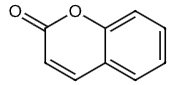
Coumarin, chemically known as 2H-chromen-2-one or 1,2-benzopyrone, is an aromatic oxygen-containing heterocyclic compound belonging to the benzopyrone family (7). Its molecular formula is C₉H₆O₂, and it consists of a benzene ring fused with an α-pyrone ring, forming a rigid planar structure. The core structure of coumarin provides a versatile scaffold that allows various substitutions at different positions, which greatly influence its physical, chemical, and biological properties (8). The coumarin nucleus contains two major reactive centers: the lactone ring and the benzene ring. Substitution at positions 3, 4, and 7 is particularly important for modifying its pharmacological activity. For instance, hydroxyl, methoxy, or amino groups at position 7 can enhance antioxidant and anticancer effects, while bulky or heterocyclic substitutions at position 3 often improve lipophilicity and target binding. This structural flexibility makes coumarin an attractive backbone for designing new bioactive derivatives. Coumarins can be synthesized through several methods, such as the Pechmann condensation, Perkin reaction, and Knoevenagel condensation, using simple phenolic and carboxylic precursors. Naturally, coumarins are widely distributed in plants like Murraya paniculata, Aegle marmelos, and Ferulago campestris, where they occur as secondary metabolites. Chemically, coumarins exhibit aromatic stability, moderate lipophilicity, and the ability to participate in hydrogen bonding and π–π interactions, making them suitable for interaction with biological macromolecules. These chemical characteristics underlie their diverse pharmacological actions, including anticoagulant, antimicrobial, antioxidant, and notably, anticancer properties (7).
Mechanism of action in cancer treatment
The anticancer effects of coumarin and its derivatives are mainly attributed to their ability to disrupt essential cellular processes that control the growth and survival of cancer cells. These compounds act through multiple molecular pathways, such as inhibiting key enzymes, triggering programmed cell death (apoptosis), and regulating signaling pathways involved in cell cycle progression (8).
One of the major mechanisms involves the inhibition of DNA topoisomerase IIα, an essential enzyme responsible for regulating DNA topology during replication and transcription. Topoisomerase IIα introduces transient double-strand breaks to relieve torsional strain in the DNA helix. In cancer cells, this enzyme is often overexpressed, promoting rapid cell division. Coumarin derivatives can bind to the active site of Topoisomerase IIα and stabilize the cleavable complex, thereby preventing the re-ligation of DNA strands. This results in DNA damage, replication arrest, and induction of apoptosis in rapidly dividing tumor cells (9,10).
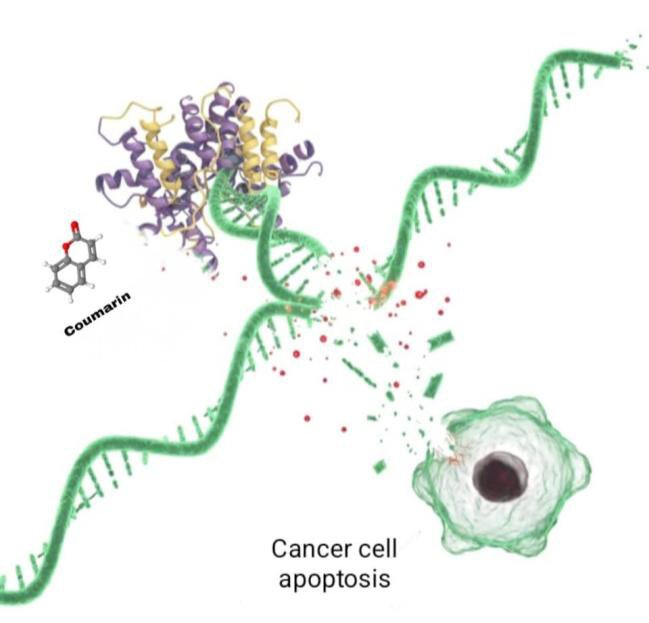
In addition to topoisomerase inhibition, certain coumarins also exhibit antioxidant and anti-angiogenic properties. By scavenging free radicals and reducing oxidative stress, they protect normal cells while sensitizing cancer cells to apoptosis. Some derivatives suppress angiogenesis by inhibiting vascular endothelial growth factor (VEGF) and other pro-angiogenic pathways, restricting the blood supply to tumors.
Furthermore, coumarin analogs have been reported to modulate signaling cascades such as PI3K/Akt, MAPK, and NF-κB, which are crucial for cancer cell survival and proliferation. Through these multifaceted mechanisms, coumarin derivatives demonstrate significant potential as multi-target anticancer agents with lower toxicity compared to conventional chemotherapeutic drugs (11).
Ligand-based drug design
Ligand-Based Drug Design (LBDD) is a computational strategy used to design new drug candidates by utilizing information from previously known molecules that interact with a particular biological target. In contrast to structure-based drug design, which depends on the availability of the three-dimensional structure of the target protein, LBDD focuses on studying compounds that have already demonstrated activity. This approach becomes especially useful when the structural details of the target protein are unavailable or difficult to obtain experimentally (12,13).
The fundamental concept behind LBDD is that compounds with comparable chemical structures are likely to exhibit similar biological effects. By analyzing a group of biologically active molecules, key structural characteristics— such as hydrogen bond donors and acceptors, hydrophobic regions, aromatic systems, and electronic properties—can be recognized. These identified features are then used to construct pharmacophore models that define the essential requirements for biological activity (4,5).
Furthermore, LBDD makes use of several computational techniques, including quantitative structure–activity relationship (QSAR) modeling, molecular similarity analysis, and virtual screening methods. QSAR, in particular, helps in establishing correlations between the structural properties of compounds and their biological activities, enabling the prediction of the effectiveness of new molecules prior to their synthesis (12,14).
Overall, ligand-based drug design serves as a powerful strategy in modern drug discovery, enabling the optimization of lead compounds and the identification of novel analogs with improved activity, selectivity, and pharmacokinetic properties, thereby reducing the cost and time associated with traditional experimental screening (7,8).
Design approach
Ligand design
The first step of this study involved obtaining a diverse set of coumarin derivatives from the PubChem database, a publicly available repository of chemical compounds. Around 20–30 derivatives were initially selected to ensure a broad representation of structural variations, including substitutions at positions known to affect biological activity, such as positions 3, 4, and 7 of the coumarin ring. To ensure that only safe and drug-like molecules were used, all downloaded compounds were subjected to toxicity and pharmacokinetic screening. ProTox-II, an online toxicity prediction tool, was employed to estimate potential hepatotoxicity, carcinogenicity, mutagenicity, immunotoxicity, and acute toxicity (LD₅₀). Compounds predicted to have high toxicity or adverse effects were eliminated from further analysis. Simultaneously, SwissADME was used to evaluate drug-likeness by analyzing key physicochemical properties such as molecular weight, lipophilicity (LogP), water solubility, hydrogen bond donors and acceptors, and gastrointestinal absorption. Compounds that complied with Lipinski’s Rule of Five and demonstrated low predicted toxicity were considered suitable for further computational analysis, ensuring that the study focused on safe, bioavailable, and potentially active derivatives.
| S.N. | Structure | Canonical SMILES | IUPAC name |
|---|---|---|---|
| 1 | O=c1ccc2c(o1)cccc2 | chromen-2-one | |
| 2 | CCN(c1ccc2c(c1)oc(=O)c(c2)c1nc2c([nH]1)cccc2)CC | 3-(1H-benzimidazol-2-yl)-7-(diethylamino)chromen-2-one | |
| 3 | C1CC2=CC3=C(C4=C2N(C1)CCC4)OC(=O)C=C3C(F)(F)F | 6-(trifluoromethyl)-3-oxa-13-azatetracyclo[7.7.1.02,7.013,17]heptadeca-1(17),2(7),5,8-tetraen-4-one | |
| 4 | CCN(c1ccc2c(c1)oc(=O)c(c2)c1nc2c(s1)cccc2)CC | 3-(1,3-benzothiazol-2-yl)-7-(diethylamino)chromen-2-one | |
| 5 | OC(=O)c1cc2ccccc2oc1=O | 2-oxochromene-3-carboxylic acid | |
| 6 | O=c1cc(c2c(o1)c1CCCN3c1c(c2)CCC3)C(F)(F)F | 6-(trifluoromethyl)-3-oxa-13-azatetracyclo[7.7.1.02,7.013,17]heptadeca-1(17),2(7),5,8-tetraen-4-one | |
| 7 | CCN(c1ccc2c(c1)oc(=O)c(c2)c1nc2c(n1C)cccc2)CC | 7-(diethylamino)-3-(1-methylbenzimidazol-2-yl)chromen-2-one | |
| 8 | CCNc1cc2oc(=O)cc(c2cc1C)C | 7-(ethylamino)-4,6-dimethylchromen-2-one | |
| 9 | OC(=O)c1cc2cc3CCCN4c3c(c2oc1=O)CCC4 | 4-oxo-3-oxa-13-azatetracyclo[7.7.1.02,7.013,17]heptadeca-1,5,7,9(17)-tetraene-5-carboxylic acid | |
| 10 | CCOC(=O)c1cc2cc3CCCN4c3c(c2oc1=O)CCC4 | ethyl4-oxo-3-oxa-13-azatetracyclo[7.7.1.02,7.013,17]heptadeca-1,5,7,9(17)-tetraene-5-carboxylate | |
| 11 | O=c1oc2cc(ccc2c(c1)C(F)(F)F)N(C)C | 7-(dimethylamino)-4-(trifluoromethyl)chromen-2-one | |
| 12 | CC(=O)c1cc2cc3CCCN4c3c(c2oc1=O)CCC4 | 5-acetyl-3-oxa-13-azatetracyclo[7.7.1.02,7.013,17]heptadeca-1,5,7,9(17)-tetraen-4-one | |
| 13 | CCNc1cc2oc(=O)cc(c2cc1C)C(F)(F)F | 7-(ethylamino)-6-methyl-4-(trifluoromethyl)chromen-2-one | |
| 14 | CCN(c1ccc2c(c1)oc(=O)cc2C(F)(F)F)CC | 7-(diethylamino)-4-(trifluoromethyl)chromen-2-one | |
| 15 | BrCC(=O)c1cc2ccccc2oc1=O | 3-(2-bromoacetyl)chromen-2-one | |
| 16 | CCNc1ccc2c(c1)oc(=O)cc2C(F)(F)F | 7-(ethylamino)-4-(trifluoromethyl)chromen-2-one | |
| 17 | O=c1oc2ccccc2c(c1c1ccccc1)O | 4-hydroxy-3-phenylchromen-2-one | |
| 18 | CCN(c1ccc2c(c1)oc(=O)c(c2)C(=O)NCCN1C(=O)C=CC1=O)CC | -(diethylamino)-N-[2-(2,5-dioxopyrrol-1-yl)ethyl]-2-oxochromene-3-carboxamide | |
| 19 | O=c1oc2ccccc2c(c1c1cccc2c1cccc2)O | 4-hydroxy-3-naphthalen-1-ylchromen-2-one | |
| 20 | CN(c1ccc2c(c1)oc(=O)c1c2CCC1)C | 7-(dimethylamino)-2,3-dihydro-1H-cyclopenta[c]chromen-4-one |
| Lead Compound | Lead Compound | Expected Contribution |
|---|---|---|
| Trifluoromethyl (–CF₃) group | Improves lipophilicity and hydrophobic binding | |
| Tertiary amine, carbonyl group, fused bicyclic ring | Enhances hydrogen bonding and binding stability |
Structure–activity relationship (SAR) analysis
-
Trifluoromethyl (–CF₃) or multiple fluorine substitution at the coumarin ring — increases binding affinity and metabolic stability by raising lipophilicity and strengthening hydrophobic/π-stacking interactions in the topoisomerase IIα pocket (examples: ligands containing C(F)(F)F such as L3, L11, L13, L14).
Rationale: CF₃ groups increase van der Waals contacts and often improve membrane permeability and binding energy.
-
Tertiary amine side chains (N,N-dialkylamino) or basic alkylamino linkers — improve affinity via ionic/hydrogen-bonding interactions with acidic residues and increase solubility (examples: L2, L9, L10, L12, L18).
Rationale: Basic amines can form salt-bridges or H-bonds with amino acids in the binding site, stabilizing the ligand conformation (L12 shows very favorable binding).
-
Carbonyl-containing substituents (acetyl/ester/amide links) appended to the ring — act as H-bond acceptors to form specific interactions and orient the ligand favorably (examples: acetylated/esterified ligands such as L5, L10, L12).
Rationale: Carbonyls provide directional H-bonding and improve complementarity with the active site.
-
Rigid, fused tertiary-amine bicyclic motifs (conformational constraint) — increase potency by reducing entropic penalty on binding and enhancing shape complementarity (examples: cyclic tertiary amine containing ligands L9/L10/L12 which showed low RMSD and strong binding).
Rationale: Pre-organized, rigid substituents often dock more reliably and provide additional hydrophobic contacts.
-
Very large/bulky polyaromatic or highly extended substituents — increase steric clash and molecular weight, often reducing binding or causing poor docking poses (examples: multi-phenyl or highly fused systems such as L19 or the highest-MW ligands).
Rationale: Excessive bulk can prevent the ligand from fitting into the active site and worsen ADME.
-
Free phenolic hydroxyl(s) on the coumarin core (unprotected OH) — can reduce cell permeability and increase phase II metabolism (example: umbelliferone-like L1).
Rationale: Polar OH groups can lower membrane penetration and be rapidly conjugated (glucuronidation), reducing effective intracellular concentration.
-
Reactive halogenated acyl groups (e.g., bromo-acetyl) or strongly electrophilic substituents — may raise predicted toxicity and off-target reactivity (example: L15 Br–C(=O)–…), which can reduce overall therapeutic potential despite possible binding.
Rationale: Such groups can form covalent or unwanted adducts with proteins (toxicity risk) and are therefore undesirable for lead optimization.
Protein selection
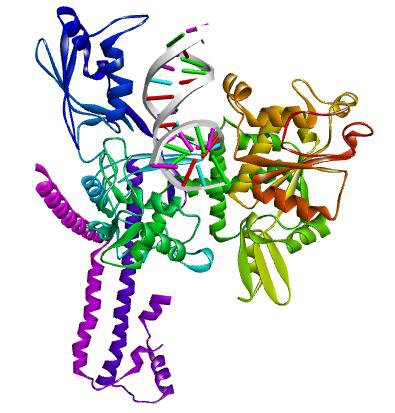
The three-dimensional crystal structure of Topoisomerase II was obtained from the Protein Data Bank (PDB). Prior to docking, the structure was refined by eliminating water molecules, co-crystallized ligands, and other unnecessary ions. Hydrogen atoms were subsequently introduced to ensure appropriate bonding interactions, and partial charges were assigned to the protein. The processed structure was then saved in PDBQT format, making it suitable for use with AutoDock Vina.
Molecular docking
Molecular docking studies were performed using AutoDock Vina integrated within the PyRx platform, a commonly utilized software for virtual screening of ligands against target proteins. A grid box was precisely positioned around the active site of Topoisomerase II to ensure that the docking process focused on the functionally important region. Each selected coumarin derivative was docked separately, producing multiple conformations and binding orientations. The conformation exhibiting the lowest binding energy (i.e., the most negative value in kcal/mol) was regarded as the most stable and chosen for further evaluation. For detailed interpretation of ligand–protein interactions, the docking outcomes were analyzed using PyMOL and Discovery Studio Visualizer. Important interactions such as hydrogen bonding, hydrophobic contacts, π–π stacking, and electrostatic forces between the ligand and amino acid residues within the active site were identified. Additionally, comparison with reference anticancer ligands enabled evaluation of the relative binding potential of the tested compounds. This analysis helped in identifying derivatives with strong interaction capability and possible inhibitory effects on Topoisomerase II activity.
ADMET prediction
Following molecular docking, all selected derivatives were further evaluated for their ADMET properties to ensure safety and pharmacokinetic suitability. SwissADME was used to predict physicochemical characteristics such as molecular weight, hydrogen bond donors and acceptors, lipophilicity (LogP), solubility, and gastrointestinal absorption, providing insight into the drug-likeness of each compound. For toxicity assessment, ProTox-II and pkCSM were used to predict hepatotoxicity, cardiotoxicity, mutagenicity, immunotoxicity, and estimated lethal dose (LD50). Compounds that showed low toxicity, high gastrointestinal absorption, good solubility, and compliance with Lipinski’s Rule of Five were prioritized as promising candidates. This dual evaluation ensured that only derivatives with favorable binding affinities, safety profiles, and pharmacokinetic properties were identified as potential anticancer agents.
Ligand–protein interactions
Binding energy: Binding energy represents the magnitude of interaction between a ligand and its target protein and is typically measured in kilocalories per mole (kcal/mol). Lower (more negative) values indicate stronger and more stable binding. This interaction strength is influenced by various forces, including hydrogen bonding, hydrophobic effects, van der Waals interactions, and electrostatic attractions. Evaluating binding energy is essential for ranking ligands and selecting the most promising compounds for further evaluation.
RMSD (Root Mean Square Deviation): RMSD measures the average deviation between the docked ligand and a reference structure, expressed in angstroms (Å). Low RMSD values (<2 Å) indicate stable and reliable docking poses, while higher values suggest less consistent binding. RMSD provides insight into the accuracy and stability of the predicted ligand-protein interactions.
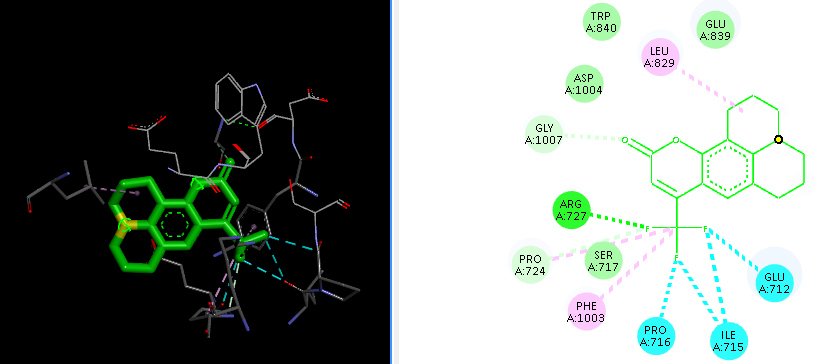
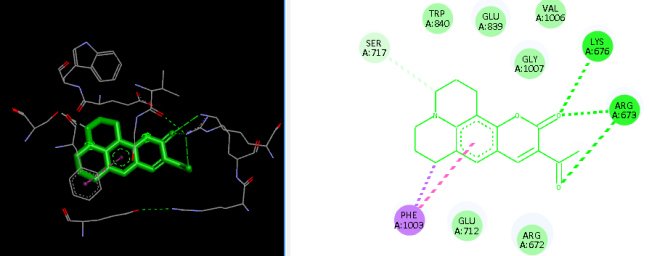
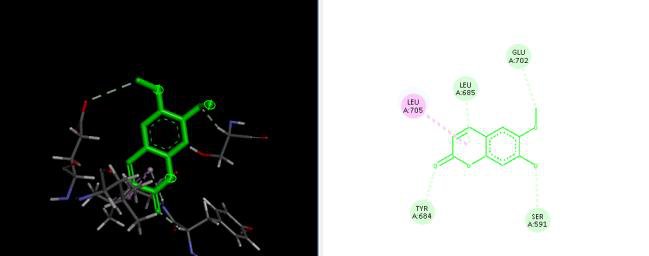
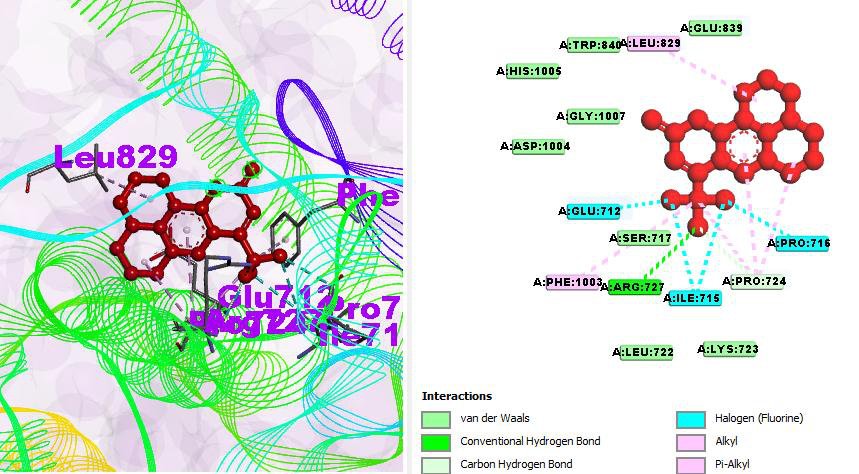
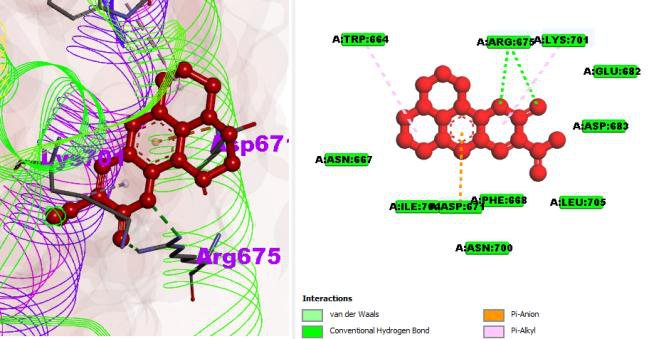
Detailed analysis of the docking poses demonstrated that the lead compounds L3 and L12 established several favorable interactions within the active site of Topoisomerase IIα (PDB ID: 4FM9). Compound L3 formed a conventional hydrogen bond with ARG727 and exhibited halogen interactions involving GLU712 and ILE715. Additional stabilization was provided by a carbon hydrogen bond with SER717, π–π stacking with PHE1003, and π–alkyl interactions with LEU829 and PRO716. Likewise, compound L12 displayed hydrogen-bond interactions with ARG675 and LYS701, together with aromatic interactions involving PHE668 and TRP664. These interactions, along with surrounding van der Waals contacts, contributed to the stability of the docked complexes and may account for the stronger binding affinities observed for L3 and L12 when compared with the reference compound scopoletin.
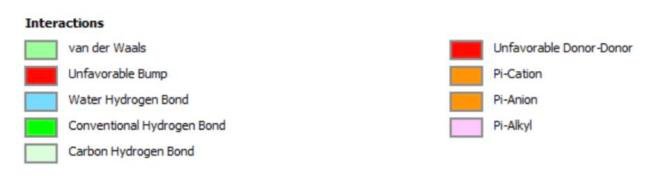
The interaction profiles of all designed coumarin derivatives (L1–L20) with Topoisomerase IIα (PDB ID: 4FM9) are shown in Figures L1–L20. These figures illustrate the binding of ligands within the active site, highlighting key interactions such as hydrogen bonding and hydrophobic contacts. Compounds like L3 and L12 showed stronger and more stable interactions, which supports their higher binding affinity. Overall, these interaction diagrams validate the docking results presented in Table 2.
| Ligands | Binding energy(kcal/mol) | RMSD(Å) |
|---|---|---|
| L1 | -6.6 | 1.4 |
| L2 | -7.5 | 1.1 |
| L3 | -8.6 | 0.9 |
| L4 | -7.9 | 1.3 |
| L5 | -7.1 | 1.7 |
| L6 | -7.8 | 1.2 |
| L7 | -7.2 | 1.5 |
| L8 | -6.6 | 1.6 |
| L9 | -8.5 | 1.0 |
| L10 | -8.4 | 1.1 |
| L11 | -7.3 | 1.4 |
| L12 | -8.8 | 0.8 |
| L13 | -7.1 | 1.5 |
| L14 | -7.6 | 1.6 |
| L15 | -7.2 | 1.4 |
| L16 | -7.2 | 1.3 |
| L17 | -7.5 | 1.2 |
| L18 | -7.2 | 1.1 |
| L19 | -7.5 | 1.3 |
| L20 | -7.6 | 1.1 |
| Scopoletin | -7.8 | 1.2 |
The docking evaluation of the designed coumarin derivatives with Topoisomerase IIα (PDB ID: 4FM9) demonstrated that multiple ligands formed stable and significant interactions within the enzyme’s active binding region. For comparison, scopoletin was selected as a standard compound and showed a binding energy of −7.8 kcal/mol under the same docking parameters. Among the tested molecules, L3 (−8.6 kcal/mol) and L12 (−8.8 kcal/mol) exhibited the strongest binding affinities along with minimal RMSD values, indicating stable and reliable binding conformations. The superior binding affinity of L3 and L12 may be attributed to specific structural modifications present in these derivatives. Compound L3 contains fluorinated substituents that can enhance hydrophobic interactions and improve complementarity within the active site of Topoisomerase IIα. In contrast, L12 possesses a rigid fused-ring framework together with a tertiary amine moiety, which may favor stable binding orientations and stronger interactions with surrounding amino acid residues. Compared with the reference compound scopoletin, these structural features are likely to contribute to the improved binding affinities observed for L3 and L12. These findings are in agreement with the structure–activity relationship analysis and suggest that appropriate substitution of the coumarin scaffold can enhance its anticancer activity. The observed stability of these complexes was mainly attributed to hydrogen bonding and hydrophobic interactions with crucial amino acid residues present in the active site. These findings indicate that structural alterations in the coumarin core may effectively improve binding strength and inhibitory activity against Topoisomerase IIα when compared to the reference compound. Therefore, compounds such as L3 and L12 may be considered promising lead molecules for further structural refinement and experimental validation as potential anticancer agents.
Toxicity studies
The toxicity profile of the coumarin derivatives was assessed using Lipinski’s Rule of Five, a widely accepted guideline for evaluating drug-likeness and predicting oral absorption of compounds. According to this rule, a compound is generally considered to have low toxicity and good oral activity if it does not violate more than one of the specified parameters: molecular weight not exceeding 500 Da, hydrogen bond donors up to 5, hydrogen bond acceptors up to 10, and a logP value not greater than 5.
All 20 synthesized coumarin derivatives were examined based on these criteria to determine their pharmacokinetic properties and potential toxicity. Compounds that satisfied Lipinski’s conditions are expected to exhibit reduced chances of adverse effects, suggesting improved safety and suitability for further drug development.
| Ligands | Molecular weight | H-Bond acceptor | H-Bond donor | Log Kp | MR | Lipinski Violations |
|---|---|---|---|---|---|---|
| L1 | 146.14 | 2 | 0 | -6.2 | 42.48 | 0 |
| L2 | 333.38 | 3 | 1 | -5.49 | 101.39 | 0 |
| L3 | 309.28 | 5 | 0 | -5.88 | 79.95 | 0 |
| L4 | 350.43 | 3 | 0 | -4.97 | 104.92 | 0 |
| L5 | 190.15 | 4 | 1 | -5.9 | 49.44 | 0 |
| L6 | 229.16 | 5 | 1 | -6.21 | 51.89 | 0 |
| L7 | 347.41 | 3 | 0 | -5.61 | 106.29 | 0 |
| L8 | 217.26 | 2 | 1 | -5.82 | 66.53 | 0 |
| L9 | 285.29 | 4 | 1 | -5.84 | 81.9 | 0 |
| L10 | 313.35 | 4 | 0 | -5.91 | 91.03 | 0 |
| L11 | 257.21 | 5 | 0 | -5.81 | 61.69 | 0 |
| L12 | 283.32 | 3 | 0 | -6.1 | 85.14 | 0 |
| L13 | 271.24 | 5 | 1 | -5.78 | 66.56 | 0 |
| L14 | 285.26 | 5 | 0 | -5.46 | 71.31 | 0 |
| L15 | 267.08 | 3 | 0 | -6.09 | 60.55 | 0 |
| L16 | 257.21 | 5 | 1 | -5.65 | 61.6 | 0 |
| L17 | 238.24 | 3 | 1 | -6.01 | 69.94 | 0 |
| L18 | 383.4 | 3 | 1 | -7.18 | 107.96 | 0 |
| L19 | 288.3 | 5 | 1 | -5.11 | 87.45 | 0 |
| L20 | 229.27 | 3 | 0 | -5.97 | 69.32 | 0 |
The toxicity of the coumarin derivatives was evaluated through a two-step approach. Initially, Lipinski’s rule of five was applied to assess drug-likeness and oral bioavailability, which also provides preliminary insights into potential toxicity. Compounds adhering to Lipinski’s criteria are considered less likely to cause adverse effects. To further validate safety, the derivatives were analyzed using ProTox-II, which predicts specific toxicity endpoints. The study focused on hepatotoxicity, mutagenicity, and carcinogenicity, key indicators of drug safety. Results from ProTox-II, combined with Lipinski-based evaluation, allowed identification of derivatives with favorable pharmacokinetic properties and minimal predicted toxic effects, making them suitable candidates for further biological investigation.
| Ligand | Hepatotoxicity | Mutagenicity | Carcinogenicity |
|---|---|---|---|
| L1 | _ | _ | _ |
| L2 | _ | _ | _ |
| L3 | _ | _ | _ |
| L4 | _ | _ | _ |
| L5 | + | _ | _ |
| L6 | _ | _ | _ |
| L7 | + | _ | _ |
| L8 | + | _ | _ |
| L9 | + | _ | _ |
| L10 | _ | _ | _ |
| L11 | _ | _ | _ |
| L12 | _ | _ | _ |
| L13 | _ | _ | _ |
| L14 | + | _ | _ |
| L15 | _ | _ | _ |
| L16 | + | _ | _ |
| L17 | + | _ | _ |
| L18 | _ | _ | _ |
| L19 | + | _ | _ |
| L20 | _ | _ | _ |
Conclusion
The present study successfully demonstrated the potential of coumarin and its derivatives as promising anticancer agents through computational evaluation. A series of twenty coumarin derivatives were designed and screened against human Topoisomerase IIα (PDB ID: 4FM9), a well-established target in cancer therapy. Molecular docking studies revealed that several derivatives exhibited strong binding affinities, with compounds L3 (–8.6 kcal/mol) and L12 (–8.8 kcal/mol) showing the most stable and potent interactions with the target enzyme. For comparative evaluation within the coumarin scaffold, scopoletin was used as a reference drug and was docked against the same protein under identical conditions, exhibiting a binding energy of –7.8 kcal/mol. The designed derivatives demonstrated improved binding affinity within a comparable range relative to the reference drug. Further ADMET and toxicity predictions confirmed that all designed ligands complied with Lipinski’s rule of five, indicating good drug-likeness and favorable pharmacokinetic properties. The selected compounds also showed low predicted toxicity, supporting their suitability for further biological testing. Overall, the study highlights that structural modification of the coumarin nucleus can significantly enhance anticancer potential by improving target binding and pharmacological properties. Compounds L3 and L12, in particular, emerged as lead candidates for future optimization and in vitro/in vivo validation. This work reinforces the value of in silico approaches such as molecular docking and ADMET analysis in early-stage drug discovery, offering a cost-effective strategy to identify and optimize novel anticancer agents derived from natural scaffolds like coumarin.
Author Contributions
All authors made contributions to the conception and design of the study.
Acknowledgements
The authors gratefully acknowledge Madan Mohan Malaviya University of Technology and Mahayogi Gorakhnath University, Gorakhpur, for their valuable support and collaboration in facilitating this work for inclusion in the conference proceedings. The authors sincerely appreciate the academic environment, resources, and institutional cooperation provided by both organizations, which contributed significantly to the successful completion of this study.
Conflict of Interest
The authors have declared no conflicts of interest.
Funding
This research received no external funding.
Data Availability
Pyrx, and discovery studios are used for curated coumarin compound sets, prepared structures, docking parameters, docking outputs, and ADMET predictions. The original data presented in this study are included in the article. Further inquiries can be directed at the corresponding author.
Ethics Approval
Not Applicable.
Use of Generative AI
ChatGPT, Grammarly and Quillbot are used for language correction only.
References
- Latest developments in coumarin-based anticancer agents: mechanism of action and structure–activity relationship studies. RSC Med Chem. 2023;15(1):10-54.Crossref
- Recent advances in anticancer activity of coumarin derivatives. Eur J Med Chem Rep. 2022;5:100038.Crossref
- Integration of molecular docking and in vitro studies: a powerful approach for drug discovery in breast cancer. Appl Sci. 2020;10(19):6981.Crossref
- Coumarins and related compounds in cancer pharmacotherapy. Cancers (Basel). 2020;12(7):1959.Crossref
- Simple coumarins and analogues in medicinal chemistry: occurrence, synthesis and biological activity. Curr Med Chem. 2005;12(8):887-916.Crossref
- Review on natural coumarin lead compounds and their pharmacological activity. Biomed Res Int. 2013;2013:963248.Crossref
- Coumarin: a potential nucleus for anti-inflammatory molecules. Med Chem Res. 2014;23(3):373-391.Crossref
- Drugging topoisomerases: lessons and challenges. ACS Chem Biol. 2013;8(1):82-95.Crossref
- SwissADME: a free web tool to evaluate pharmacokinetics, drug-likeness and medicinal chemistry friendliness of small molecules. Sci Rep. 2017;7:42717.Crossref
- ProTox-II: a webserver for toxicity prediction of chemicals. Nucleic Acids Res. 2018;46(W1):W257-W263.Crossref
- AutoDock Vina: improving the speed and accuracy of docking with a new scoring function, efficient optimization and multithreading. J Comput Chem. 2010;31(2):455-461.Crossref
- Using AutoDock for ligand-receptor docking. Curr Protoc Bioinformatics. 2008;24(1):8.14.1-8.14.40.Crossref
- Structure-based multitargeted molecular docking analysis of selected furanocoumarins against breast cancer. Sci Rep. 2019;9:15743.Crossref
- Naturally occurring coumarins: a review of their pharmacological activities. Pak J Pharm Sci. 2012;25(3):415-423.
References
References
- Latest developments in coumarin-based anticancer agents: mechanism of action and structure–activity relationship studies. RSC Med Chem. 2023;15(1):10-54.Crossref
- Recent advances in anticancer activity of coumarin derivatives. Eur J Med Chem Rep. 2022;5:100038.Crossref
- Integration of molecular docking and in vitro studies: a powerful approach for drug discovery in breast cancer. Appl Sci. 2020;10(19):6981.Crossref
- Coumarins and related compounds in cancer pharmacotherapy. Cancers (Basel). 2020;12(7):1959.Crossref
- Simple coumarins and analogues in medicinal chemistry: occurrence, synthesis and biological activity. Curr Med Chem. 2005;12(8):887-916.Crossref
- Review on natural coumarin lead compounds and their pharmacological activity. Biomed Res Int. 2013;2013:963248.Crossref
- Coumarin: a potential nucleus for anti-inflammatory molecules. Med Chem Res. 2014;23(3):373-391.Crossref
- Drugging topoisomerases: lessons and challenges. ACS Chem Biol. 2013;8(1):82-95.Crossref
- SwissADME: a free web tool to evaluate pharmacokinetics, drug-likeness and medicinal chemistry friendliness of small molecules. Sci Rep. 2017;7:42717.Crossref
- ProTox-II: a webserver for toxicity prediction of chemicals. Nucleic Acids Res. 2018;46(W1):W257-W263.Crossref
- AutoDock Vina: improving the speed and accuracy of docking with a new scoring function, efficient optimization and multithreading. J Comput Chem. 2010;31(2):455-461.Crossref
- Using AutoDock for ligand-receptor docking. Curr Protoc Bioinformatics. 2008;24(1):8.14.1-8.14.40.Crossref
- Structure-based multitargeted molecular docking analysis of selected furanocoumarins against breast cancer. Sci Rep. 2019;9:15743.Crossref
- Naturally occurring coumarins: a review of their pharmacological activities. Pak J Pharm Sci. 2012;25(3):415-423.
Downloads

This work is licensed under a Creative Commons Attribution 4.0 International License.
Copyright (c) 2026 Pratik Kumar Vishwakarma, Ashish Pandey , Anuvanshika Yadav, Anupam Tiwari, Antima Singh
License terms
-
Attribution — You must give appropriate credit, provide a link to the license, and indicate if changes were made. You may do so in any reasonable manner, but not in any way that suggests the licensor endorses you or your use.
- No additional restrictions — You may not apply legal terms or technological measures that legally restrict others from doing anything the license permits.